Reviewed by Dr Cristian Dunker, BDSc.
This article is general educational information from the ArtSmiles Dental Library. It is not individual clinical advice and is not a substitute for an in-person assessment.
A persistently dry mouth is more than uncomfortable. Saliva does several jobs that are quietly important: it neutralises acid, washes food off the teeth, carries minerals that re-harden enamel (the hard outer layer of the tooth), and keeps the soft tissues lubricated. When saliva flow drops, the mouth becomes a less protected environment, and decay, gum disease, mouth ulcers, and yeast overgrowth all become more likely. Living well with chronic dry mouth (the clinical term is xerostomia) is mostly a matter of compensating for what the saliva used to do.
This article covers what causes dry mouth, why it raises dental risk, the home and professional steps that protect teeth and gums, and when to ring your dentist or doctor.
What causes dry mouth
Several mechanisms can reduce saliva production or change its quality.
Medications are by far the most common cause. More than 400 commonly prescribed medicines list dry mouth as a side effect. The most frequent culprits are antidepressants, blood pressure medications, antihistamines, diuretics, anticholinergics for bladder symptoms, opioid pain medicines, and chemotherapy agents. People on several of these at once almost always experience some degree of dry mouth.
Aging itself does not greatly reduce saliva, but the medication list typically grows with age, and older adults are therefore more affected.
Radiation therapy to the head and neck for cancer treatment can permanently damage salivary glands. The degree depends on the dose and the field. This is one of the most disabling causes.
Sjögren's syndrome is an autoimmune condition where the immune system attacks the salivary and tear glands. Patients have persistent dry mouth, dry eyes, and often joint symptoms. Diagnosis is made by your GP or rheumatologist.
Diabetes, particularly when blood sugar is poorly controlled, reduces saliva production and changes its mineral content.
Mouth breathing, often related to nasal congestion, sleep apnoea, or chronic allergies, dries the mouth particularly overnight.
Cannabis, alcohol, and recreational drugs, especially methamphetamine, all reduce saliva production. Chronic use causes characteristic dental damage.
Vaping and smoking both reduce saliva flow and change the oral environment.
Anxiety and stress can cause acute dry mouth that resolves with the trigger.
If your dry mouth started recently and you cannot identify a cause, an assessment with your GP is sensible to rule out underlying conditions.
Why dry mouth matters dentally
Saliva is more than moisture. It carries calcium, phosphate, and bicarbonate that buffer acid attacks. It contains antibacterial proteins that suppress decay-causing organisms. It washes food and plaque (the soft, sticky film of bacteria on the tooth surface) off the teeth between meals. It keeps the soft tissues comfortable.
When saliva drops:
Decay increases, particularly on the smooth surfaces near the gumline (the edge where your gums meet your teeth) and on root surfaces in patients with recession. The increased risk is exactly the situation our SmileShield Protocol is designed for.
Gum disease accelerates, since plaque is no longer being washed away as effectively.
Mouth ulcers and traumatic sore spots become more common because the lining no longer has its lubricating film.
Oral candidiasis (a yeast infection of the mouth, also called oral thrush) is more frequent. It appears as white wipeable patches, soreness, or a smooth red tongue.
Speech, swallowing, and taste can all change.
Dentures become much harder to wear comfortably.
Daily care and remedies for dry mouth
A practical routine has several layers.
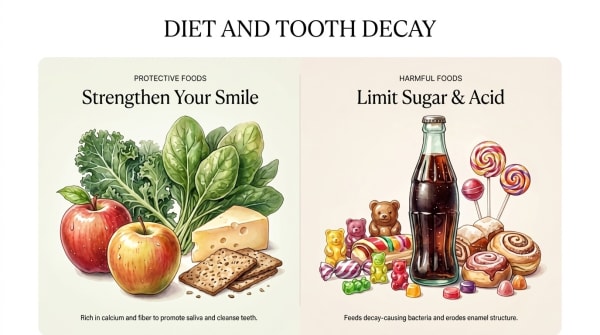
Hydration with water rather than sweet or acidic drinks. Carry a water bottle. Sip frequently rather than gulping large volumes infrequently. Cool water often feels more relieving than warm.
Sugar-free lozenges, gum, or mints (xylitol-based where possible). Chewing or sucking stimulates the residual saliva glands. Xylitol-based products also reduce the load of decay-causing bacteria. Avoid sugary lozenges, which combine the worst of both worlds.
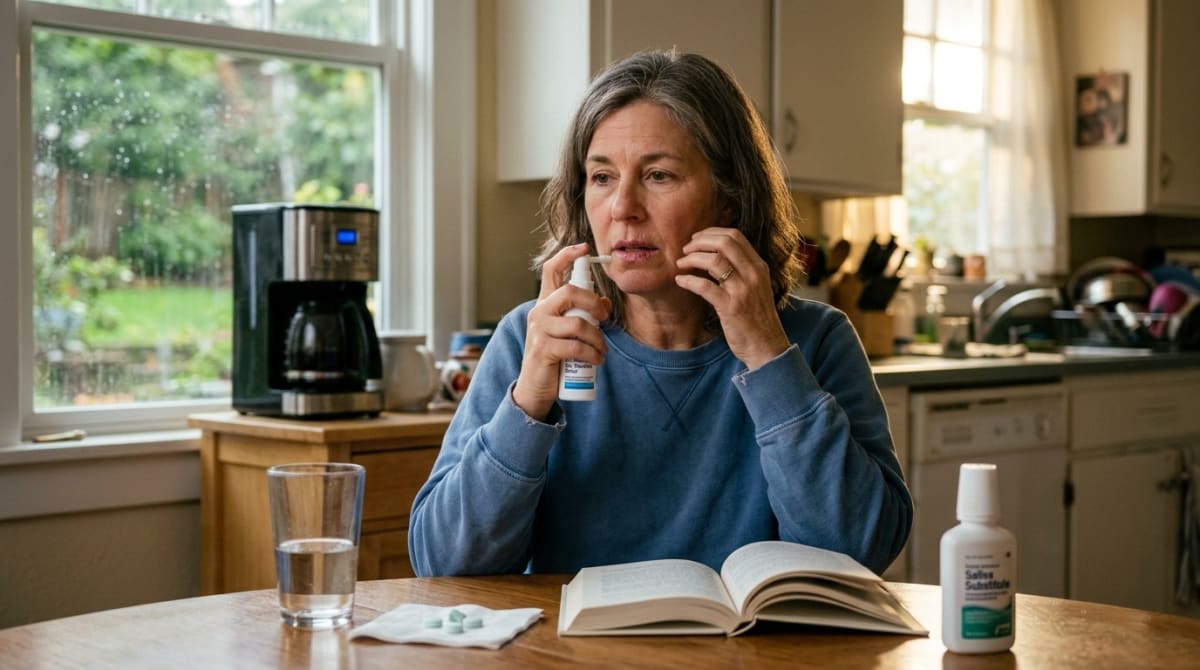
Saliva substitutes (oral lubricants). Available over the counter as gels, sprays, or rinses. They provide several hours of relief and are particularly useful at night when saliva flow is lowest. Apply a small amount before bed and reapply if you wake.
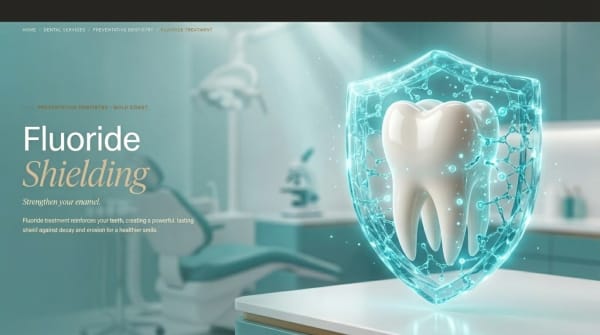
A high-fluoride toothpaste (typically 5,000 ppm) is often prescribed by dentists for chronic dry mouth. The extra fluoride compensates for the reduced re-mineralisation that saliva normally provides. See Fluoride Explained for the wider context on safe daily use.
Twice-daily fluoride mouth rinses or fluoride trays are an option for higher-risk patients. Your dentist will recommend if appropriate.
Avoid alcohol-containing mouthwashes, which dry the tissues further.
Manage caffeine and alcohol intake. Both increase urinary loss and contribute to overall dehydration.
Humidify the bedroom if night-time dryness is severe. Treating nasal congestion or snoring with your GP can also help.
Adjust the diet. Soft, moist foods are easier to manage. Sauces and gravies help. Crunchy raw vegetables are harder for very dry mouths. Dairy and lean proteins are gentler than highly acidic foods.
Professional steps
A few things your dentist can offer.
Risk-based recall. Three- to four-monthly check-ups are reasonable for most patients with chronic dry mouth, given the higher decay and gum disease risk.
Topical fluoride. Professionally applied fluoride varnish at each visit reduces decay risk substantially.
Saliva flow testing. A simple measurement that confirms whether saliva flow is genuinely reduced, distinguishing it from a subjective dry sensation with normal flow.
Custom fluoride trays. For very high-risk patients, our SmileShield Protocol uses custom-fitted trays that hold high-fluoride gel against the teeth at night, providing extra protection.
Treatment of any candidiasis. Antifungal medication, usually for one to two weeks, clears most episodes.
Coordination with your GP. Sometimes a medication change, dose adjustment, or addition of a saliva-stimulating medication (pilocarpine or cevimeline) is appropriate. Your dentist can write to your GP if a clinical review is warranted.
Our SmileShield Protocol is designed for exactly the chronic-dry-mouth scenario above. After a baseline saliva flow check and decay-risk assessment, you receive custom-fitted trays sized to your bite. Worn at night with prescription-strength fluoride gel, the trays hold fluoride against the most vulnerable tooth surfaces (the smooth areas near the gumline and exposed root surfaces) while you sleep.
We pair the trays with three- to four-monthly recall visits, professionally applied fluoride varnish, and a tailored home routine. Most patients with chronic dry mouth see a meaningful drop in new decay within the first year of the protocol.
What to do if dry mouth is sudden or severe
A new, persistent dry mouth without an obvious medication cause warrants a GP visit. Specifically:
Sudden onset of dry mouth with dry eyes and joint symptoms, which raises suspicion of Sjögren's syndrome.
Increased thirst, frequent urination, and weight loss, which may indicate diabetes.
Dry mouth with persistent unexplained fatigue or weight loss.
Dry mouth that has appeared after a new medication. Your GP may be able to substitute a different medication.
When to ring the practice
Sooner rather than waiting if you have noticed:
New decay, particularly several lesions in a short time.
Ulcers or sore spots that are not healing in two weeks.
A white patch in the mouth that wipes away (likely candidiasis) or that does not wipe away (worth assessing).
Loose or sore-fitting dentures.
Bleeding gums that have started or worsened.
These are signals to bring forward the next visit rather than wait for a routine recall.
Bottom line
Dry mouth is common, often medication-driven, and protective for the dentist to know about. The home routine is layered: water through the day, sugar-free xylitol lozenges or gum, a saliva substitute at night, a high-fluoride toothpaste, and avoidance of alcohol-containing mouthwashes. The professional routine is shorter recall intervals, fluoride varnish, and coordination with your GP if the underlying cause needs review.
If you have noticed a persistently dry mouth, our team at ArtSmiles can review your medications, check your saliva flow, examine for early decay, and put together a routine and recall schedule that fits the increased risk. If you have new ulcers, white patches, or new decay, please book an assessment without waiting for the next routine visit.
Frequently asked questions
What is the most common cause of dry mouth?
Medications. More than 400 commonly prescribed medicines list dry mouth as a side effect. Antidepressants, blood pressure medicines, antihistamines, and some pain medicines are among the most frequent.
Will drinking more water fix dry mouth?
It helps with comfort but does not replace saliva. Saliva contains proteins, minerals, and antibacterial compounds that water alone does not provide. Frequent sips of water plus sugar-free xylitol gum or lozenges, plus a saliva substitute at night, is the typical routine.
Are there any medications that increase saliva?
Yes. Pilocarpine and cevimeline are prescription medications that stimulate saliva production. They are not first-line and have side effects, but for some patients (particularly those after head and neck radiation or with Sjögren's syndrome) they are useful. Ask your dentist or GP if a trial is appropriate.
Can dry mouth be a sign of something serious?
Sometimes. Sjögren's syndrome, diabetes, certain neurological conditions, and head and neck cancer treatment all cause dry mouth. New, persistent dry mouth without an obvious medication cause warrants medical assessment.
Are sugar-free lozenges safe for teeth?
Yes, particularly those containing xylitol. They stimulate saliva, reduce decay-causing bacteria, and provide comfort. Avoid sugary lozenges, which combine reduced saliva with continuous sugar exposure and dramatically raise decay risk.
How often should I see the dentist if I have dry mouth?
Three- to four-monthly is reasonable for most patients with chronic dry mouth, given the higher decay and gum disease risk. Your dentist will tailor the interval to your specific situation.
References
Plemons, J. M., Al-Hashimi, I., & Marek, C. L. (2014). Managing xerostomia and salivary gland hypofunction: Executive summary of a report from the American Dental Association Council on Scientific Affairs. Journal of the American Dental Association, 145(8), 867 to 873.
Wolff, A., Joshi, R. K., Ekstrom, J., et al. (2017). A guide to medications inducing salivary gland dysfunction, xerostomia, and subjective sialorrhea: A systematic review sponsored by the World Workshop on Oral Medicine VI. Drugs in R&D, 17(1), 1 to 28.
Healthdirect Australia. (n.d.). Dry mouth. Australian Government.