
Teeth
Shape
A balanced smile makes all the difference.
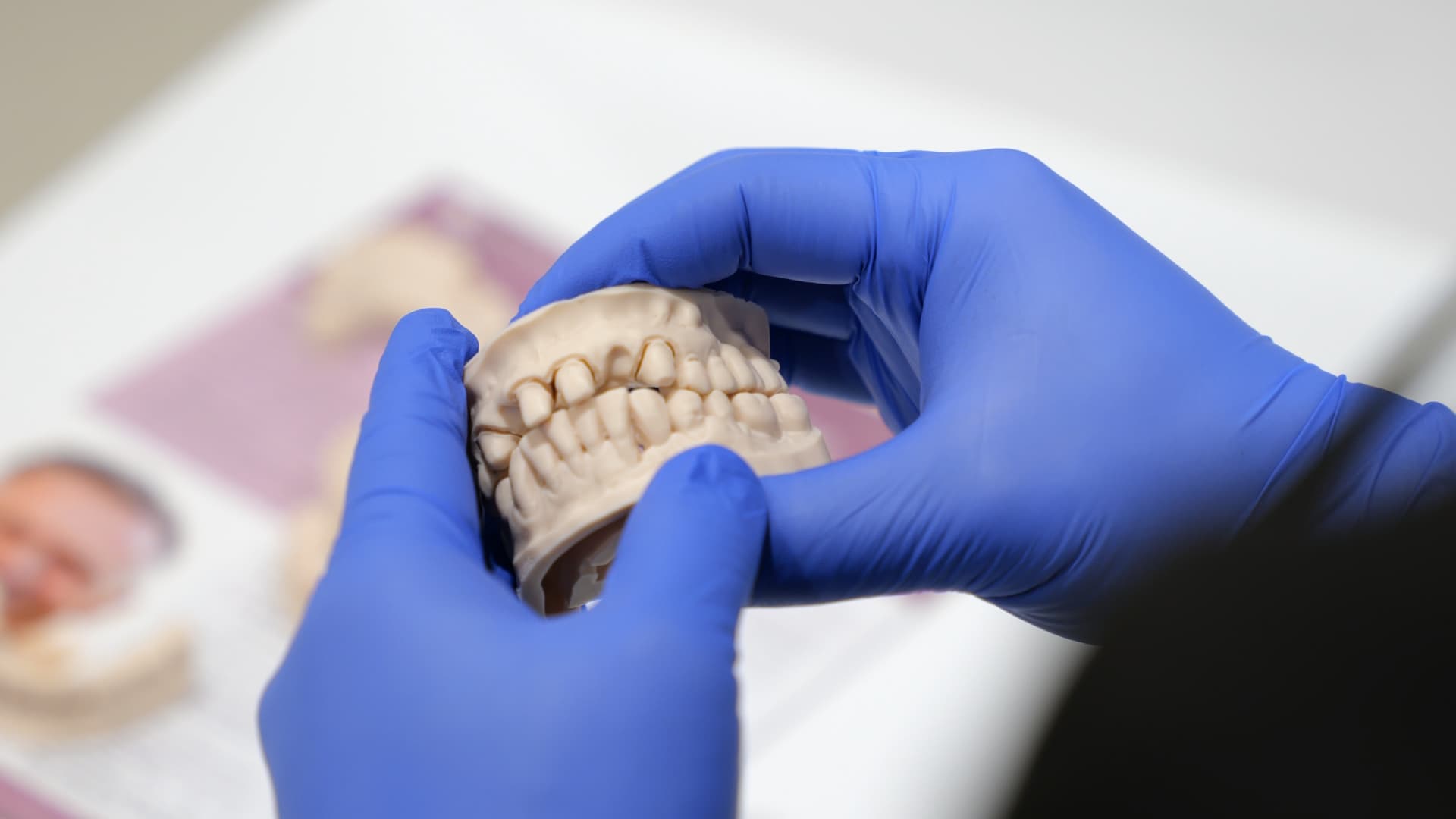
Something about your teeth just feels off. Maybe they’re uneven, worn down, or a little too small. Whatever it is, it’s enough to make you think twice before smiling. At ArtSmiles in Southport, we’ll figure out what’s causing the imbalance and show you how simple it can be to bring your smile back into harmony.
What Causes
Uneven or Irregular Teeth?
- Natural genetics – some people naturally have smaller teeth or variations in shape
- Wear over time – grinding or clenching can shorten teeth and flatten edges
- Minor fractures or chips – small damage can alter symmetry
- Previous dental work – old restorations may no longer match the natural proportions of your smile
- Post-orthodontic changes – after braces, teeth may be straight but not perfectly balanced in shape
When to Seek
an Assessment
Teeth appear visibly shorter or narrower than expected
Edges look irregular, chipped, or worn
Smile feels asymmetric or slightly off
An existing restoration no longer matches surrounding teeth
Post-orthodontic irregularities in tooth length or shape
Speak With Our Team About Teeth Shape Correction
Share your details and our team will be in touch within 1 business day to confirm your appointment.
Prefer to call? Reach us on (07) 5588 3677
Teeth Shape
Treatment Gallery
AHPRA Compliance Disclaimer: Individual results may vary. Images are for illustrative purposes only and results depicted are not guaranteed. Outcomes depend on individual patient circumstances, treatment suitability, and compliance with aftercare instructions. ArtSmiles Dental complies with all applicable AHPRA advertising guidelines.
How We Assess
Shape & Proportion
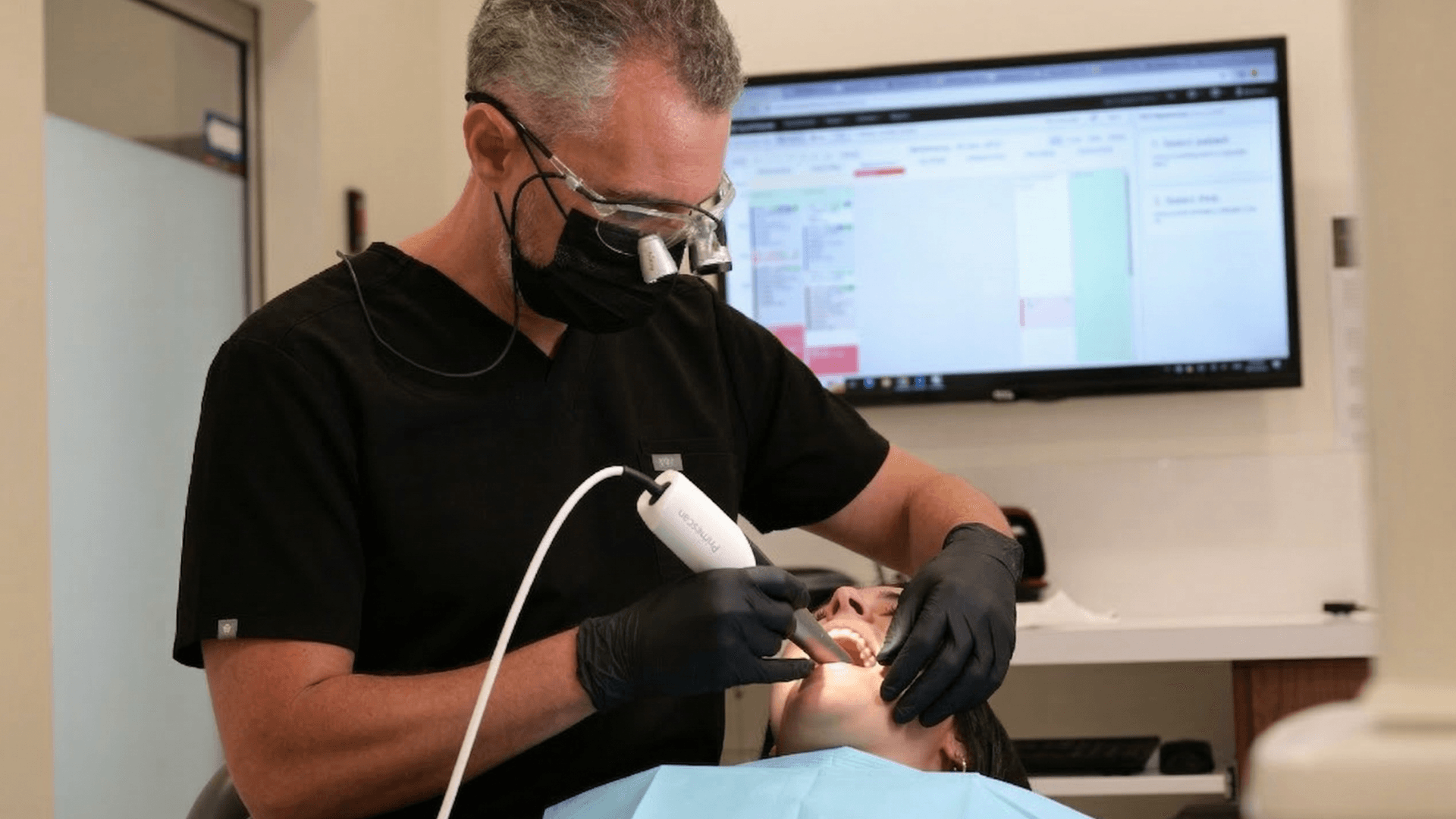
Every recommendation begins with a clinical assessment, identifying the cause and evaluating the full smile before proposing a solution.

Cause and Condition Assessment
- —Review of your dental history and contributing habits
- —Identification of whether irregularities are structural or aesthetic
- —Assessment of existing restorations that may affect the result
 Step 01 · ArtSmiles
Ready to take the next step?
Book a consultation to discuss your personalised plan.
Choosing the Right
Solution

Want a More Balanced Smile?
It starts with a conversation. Book your assessment and we’ll show you what’s possible. No pressure, just honest guidance.
Ready to get started?
Prefer to call? (07) 5588 3677
Related Articles

I Was Classified as a High-Risk Patient. What Does That Mean?
Updated 27 September 2026
Post-Op Instructions After Final All-on-X Bridge
Updated 12 September 2026
After Your Check-Up and Clean
12 September 2026
Post-Op Instructions for Warranty Replacement Treatment
12 September 2026
Frequently Asked
Questions
Can tooth shape be improved without removing enamel?
In some cases, yes. Composite veneers can be added directly to the tooth surface without removing enamel, making them a reversible option. When porcelain or zirconia veneers are chosen for their strength and longevity, a small amount of enamel preparation is typically needed. The extent depends on the degree of correction required and the material selected.
When are dental crowns recommended instead of veneers?
Crowns are recommended when a tooth is significantly damaged, heavily worn, or structurally compromised — where a veneer alone would not provide sufficient protection. Crowns cover the entire tooth rather than just the front surface, restoring full shape, size, and strength. For structurally sound teeth, veneers are typically preferred because they preserve more natural tooth structure.
Can teeth worn down by grinding be restored to their original length?
Yes, in most cases. Worn teeth can be rebuilt to a functional and proportionate length using composite veneers, porcelain veneers, zirconia veneers, or crowns, depending on the degree of wear. Where significant grinding (bruxism) has occurred, a bite evaluation is included to ensure the restored length is stable and a night guard is usually recommended to protect the result.
How long do veneer results last?
Composite veneers typically last 3 to 7 years with good maintenance. Porcelain veneers generally last 10 to 15 years or more. Zirconia veneers and crowns offer 15+ years in most cases. All restorations benefit from regular check-ups, good oral hygiene, and avoiding habits such as nail biting, ice chewing, or grinding without a night guard.
What does a cosmetic dentist assess during a smile consultation on the Gold Coast?
At ArtSmiles Southport, a smile consultation includes evaluation of tooth length and width ratios, symmetry across the smile, gum levels and smile line, facial proportions, and bite stability. We identify the cause of any shape irregularity — wear, genetics, damage, or previous dental work — before recommending a solution. Digital imaging may be used to preview the expected result.
What is the difference between composite and porcelain veneers for shape correction?
Composite veneers are sculpted directly onto the tooth in a single visit — they are conservative, reversible, and suited for mild to moderate corrections. Porcelain veneers are laboratory-fabricated and offer greater durability, precision, and longevity. They provide more exact control over proportion, contour, and surface texture, making them preferable when multiple teeth need reshaping or when stability over 10+ years is the priority.
How many teeth need to be treated for a balanced smile?
It depends on the nature of the imbalance. An isolated chip or minor irregularity may only require one or two teeth. When the concern is overall smile symmetry — for example several teeth that appear short or uneven — treating the full visible smile zone (typically six to ten upper teeth) produces the most natural and consistent result. We plan based on what the smile requires as a whole.
Will shape corrections affect my bite?
Bite stability is considered in the planning of every shape correction, particularly when restoring worn or shortened teeth. We evaluate how the upper and lower teeth come together before finalising treatment. Well-planned restorations improve both aesthetics and function without disrupting bite harmony.
Can veneers fix crooked teeth without braces?
Veneers can improve the appearance of mildly crooked or overlapping teeth by altering the visible contour and alignment. They are a cosmetic solution, not an orthodontic one — they change how the teeth look rather than moving them. For moderate to severe crowding, orthodontic treatment such as clear aligners may be recommended first, with veneers used afterwards to refine shape and proportion.
Still have questions?
Our team is here to help. Book a consultation to discuss your options.
This page has been clinically reviewed by Dr. Cristian Dunker, BDSc, MBA, Principal Dentist at ArtSmiles.