
Implant
Overdenture
No more slipping. No more worrying.
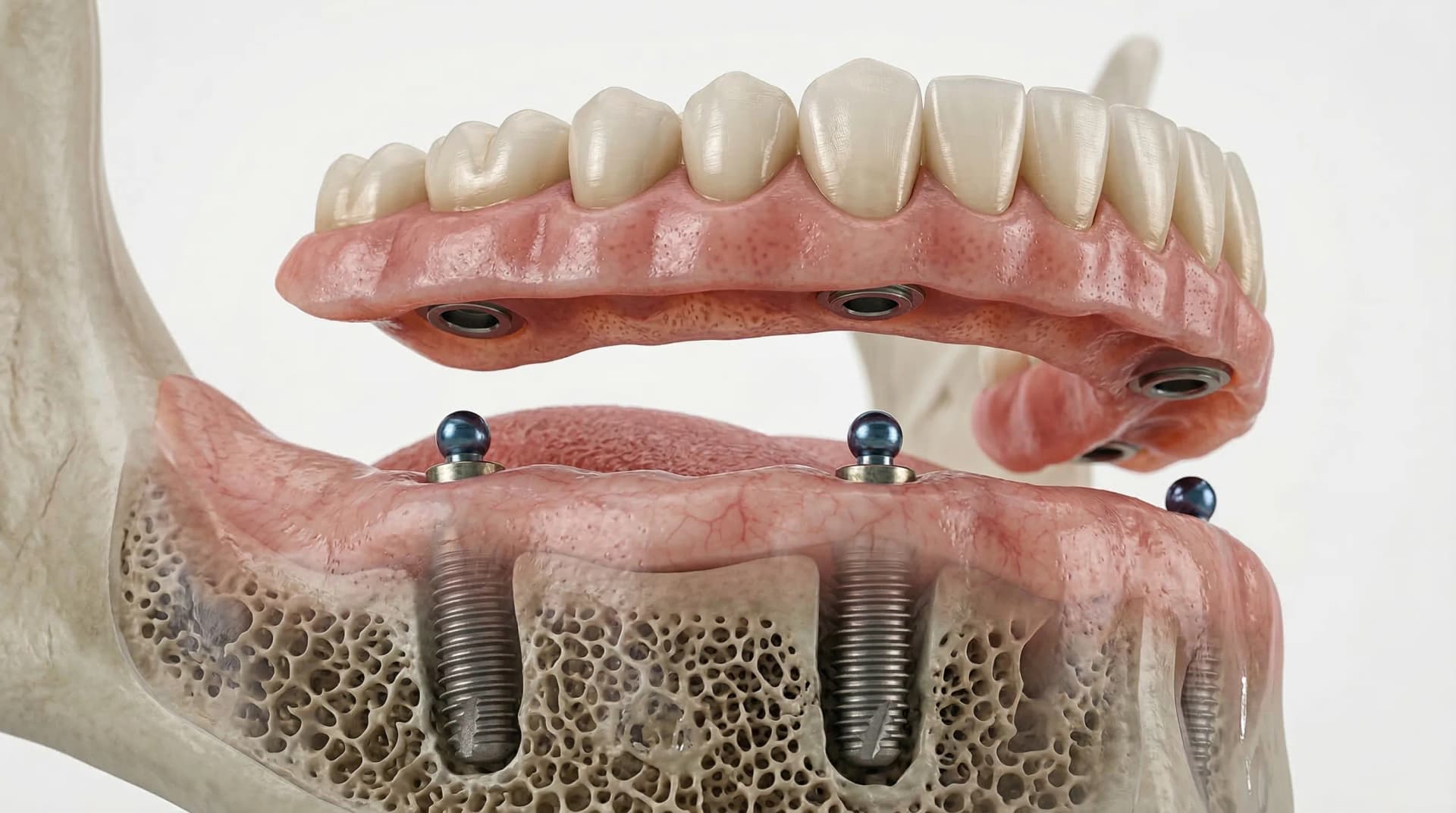
If your dentures slip, shift, or make eating uncomfortable, implant overdentures can change everything. They click securely onto dental implants so you can eat, talk, and laugh without a second thought. At ArtSmiles in Southport, we help Gold Coast patients finally say goodbye to loose, uncomfortable dentures.
What Is an
Implant Overdenture?
- Improved retention
- Reduced movement
- Better chewing ability
- Greater comfort
Who Is It For?
- Struggle with loose dentures
- Experience difficulty chewing
- Have reduced lower denture stability
- Want improved retention without full fixed restoration
- Are not ready or not eligible for All on X
- Overdentures provide a middle-ground solution between removable dentures and fixed full-arch implants.
Lower vs Upper
Implant Overdentures
Book Your Complimentary Overdenture Assessment
Share your details and our team will be in touch within 1 business day to confirm your appointment.
Prefer to call? Reach us on (07) 5588 3677
Implant Overdenture
Treatment Gallery
These patients were tired of loose, uncomfortable dentures. With implant overdentures, they got their confidence back. See the real results.
AHPRA Compliance Disclaimer: Individual results may vary. Images are for illustrative purposes only and results depicted are not guaranteed. Outcomes depend on individual patient circumstances, treatment suitability, and compliance with aftercare instructions. ArtSmiles Dental complies with all applicable AHPRA advertising guidelines.
Overdenture
Protocol
The process is simpler than you might think. Here’s how we help you go from loose dentures to a secure, comfortable fit.

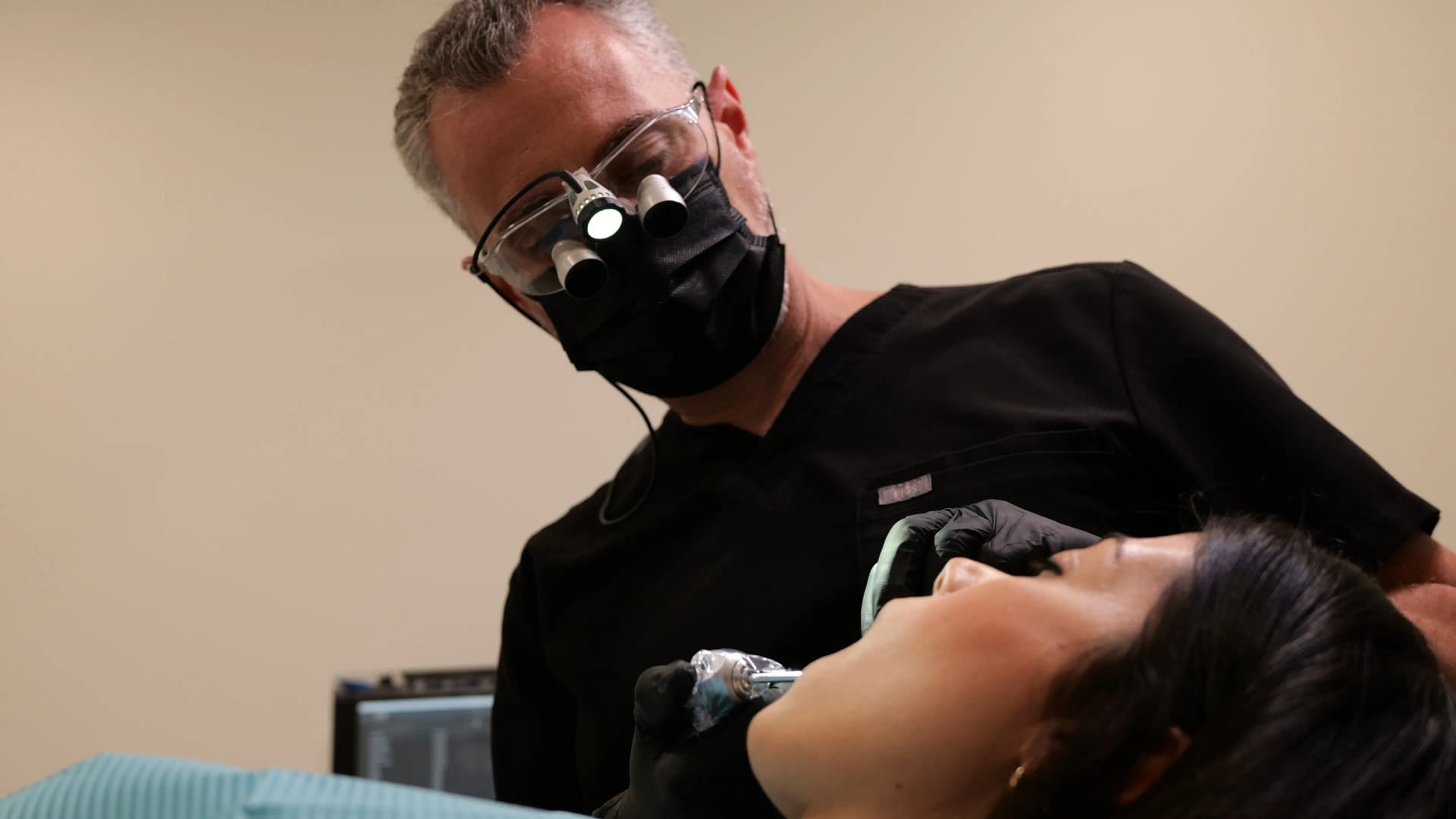
Getting the Full Picture
We start with a 3D scan of your jaw to see exactly how much bone you have and where the implants should go.
- —CBCT imaging
- —Bone volume evaluation
- —Gum health assessment
- —Bite analysis
 Step 01 · ArtSmiles
Ready to take the next step?
Book a complimentary consultation to discuss your personalised plan.
Overdentures vs
Conventional Dentures
- Overdenture: removable, clips onto implants, easier cleaning, generally lower investment
- All on X: fixed (non-removable), higher bite strength, feels most like natural teeth
- Overdenture: attachment parts may need periodic replacement
- All on X: bridge maintenance is professional + home hygiene, fewer removable components
- Best choice depends on bite forces, bone, medical risks, and whether you want fixed teeth
Overdenture
Maintenance
- Removing the prosthesis for cleaning
- Cleaning attachment areas
- Maintaining gum hygiene around implant sites
- Implant stability
- Attachment wear
- Gum health
Attachment components may require periodic replacement due to normal wear. Routine maintenance commonly includes attachment insert replacement, professional cleaning, and bite review to reduce overload on implants.

Ready to Say Goodbye to Loose Dentures?
It starts with a simple conversation. Book your free assessment and we’ll show you how implant overdentures could give you the stability and confidence you deserve.
Ready to get started?
Prefer to call? (07) 5588 3677
Implant Overdenture
Investment
Investment depends on the number of implants required, attachment system selected, whether a new denture is fabricated, and bone grafting needs. A full 3D assessment is required before final pricing is confirmed. As a more affordable dental implant option compared to full fixed All on X reconstruction, denture implants offer accessible entry into implant-supported care. Patients visiting our dentist in Southport or across the Gold Coast can book a 3D assessment to confirm suitability.
- —Number of implants required
- —Attachment system selected
- —Whether a new denture is fabricated
- —Bone grafting needs
Final pricing confirmed after clinical assessment and treatment planning.
Book a Consultation
Preventive care membership with check-ups, cleans, and savings on treatments. Priority scheduling included.
Flexible Payment Options
We understand that implant treatment is a significant decision. Flexible payment plans may be available. For full details, please visit our dedicated Finance page. For eligible patients facing hardship, our Blessing Program may be available.
Understand Your
Oral Health Risk
Our free risk assessment takes less than two minutes and helps us identify potential vulnerabilities before they compromise your treatment. The results allow our team to build a personalised prevention plan alongside your care.
- —Decay risk, dietary habits, saliva quality, and bacterial balance
- —Gum disease risk, inflammation patterns, bone support, and hygiene effectiveness
- —Grinding & clenching risk, bite forces, wear signs, and jaw tension
Start Your Assessment
Takes less than 2 minutes. No obligation.
Risks and
Clinical Considerations
Potential Risks Include
Implant Failure
Osseointegration may not occur if healing is compromised by infection, uncontrolled systemic conditions, or premature loading. Failed implants require removal and possible regrafting before replacement.
Attachment Wear
Overdenture attachments (locators, ball abutments, or bars) experience mechanical wear over time. Retention gradually decreases and periodic replacement of attachment inserts is a normal maintenance requirement.
Gum Inflammation
Soft tissue irritation or inflammation around implant sites can occur if hygiene beneath the overdenture is inadequate. Regular professional cleaning and proper home care help prevent peri-implant complications.
Bone Remodelling
Some marginal bone change around implants is expected after loading. Excessive bone loss may affect implant stability and overdenture fit, potentially requiring clinical intervention.
Component Replacement
Denture teeth, acrylic base, and attachment housings are subject to wear and may require periodic replacement or relining to maintain proper fit, function, and retention.
Warranty
Policy
Frequently Asked
Questions
What is an implant overdenture?
It is a removable prosthesis that physically clicks onto implant abutments in the jawbone. Small attachment housings inside the denture base align with locator or ball abutments on the implants, creating a secure snap-fit that resists vertical and lateral dislodgement during speech, chewing, and daily activity.
What is the difference between an overdenture and All on X?
The key lifestyle difference is removability. An overdenture comes out each night for cleaning, similar to a traditional denture. All on X stays permanently fixed and is cleaned in place with specialised brushes and a water flosser. All on X restores more bite force but requires a higher investment and sufficient bone for four or more implants.
How long do implant overdentures last?
The implants themselves can remain integrated for decades with proper care. The denture base typically lasts 7 to 10 years before it may need relining or replacement. Attachment inserts (the nylon or rubber components) usually need replacing every 12 to 24 months depending on wear patterns and bite forces.
Can I eat normally with an implant overdenture?
Most patients can return to foods they previously avoided with loose dentures, including raw vegetables, steak, apples, and crusty bread. Bite force recovery reaches roughly 50 to 60 percent of natural teeth. Very hard or sticky foods (such as toffee or whole nuts) should still be approached with care.
How do I clean an implant overdenture?
Remove the prosthesis each evening and brush it with a non-abrasive denture cleanser. Clean the implant abutments and surrounding gum tissue using a soft interdental brush or end-tuft brush. Soak the denture in a cleaning solution once daily. Avoid abrasive toothpaste, which can scratch the acrylic surface.
What attachment systems are used?
Locator attachments are the most common. They use a press-stud mechanism and are easy to maintain. Bar-retained systems connect implants with a metal bar, providing stronger retention when more implants are placed. Your dentist selects the system based on implant position, bone support, and jaw anatomy.
Can I get an overdenture on existing implants?
In many cases, yes. If your existing implants are well-integrated, correctly positioned, and compatible with current attachment systems, they can be used. A clinical and radiographic assessment is needed to confirm their suitability before proceeding.
Is this treatment covered by warranty?
Yes. Treatment at ArtSmiles is covered under our structured Warranty Policy. Coverage periods vary by component and are subject to compliance with recommended maintenance intervals and recall appointments.
How many implants are needed for an overdenture?
A lower jaw typically requires two implants, which is supported by strong clinical evidence for long-term success. Upper jaws generally need four implants due to softer bone density and the palatal coverage needed for retention. Your 3D CBCT scan determines the exact number based on available bone volume.
Is an implant overdenture better than a conventional denture?
Clinical studies show that patients with implant-retained lower dentures report significantly higher satisfaction, improved nutrition, and better quality of life. The implant anchorage slows the jawbone resorption that occurs beneath conventional dentures, helping preserve facial structure over time.
Is implant overdenture treatment painful?
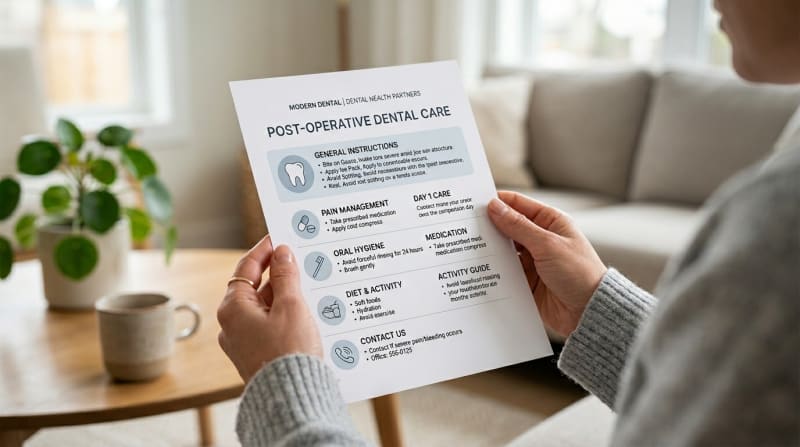
Implant placement is performed under local anaesthesia, so you feel pressure but not pain during surgery. Most patients manage post-operative discomfort with over-the-counter pain relief for 3 to 5 days. Swelling typically peaks around day two and subsides within a week.
What are the risks of implant overdentures?
We mitigate risks through digital planning and guided placement. However, potential complications include early implant failure (approximately 2 to 5 percent of cases), peri-implant mucositis from plaque buildup, and attachment wear. Structured recall visits allow us to identify and address issues early, before they affect function.
Do I need bone grafting for an overdenture?
Not always. Because only two to four implants are needed (rather than six or more for All on X), many patients have sufficient bone without grafting. If the CBCT scan reveals localised bone deficiency, a minor graft may be performed at the same appointment as implant placement.
How often do attachment parts need to be replaced?
Nylon inserts in locator attachments typically need replacing every 12 to 24 months. Bar clips may last longer. Your dentist checks attachment retention at each maintenance visit, and replacement is a quick chairside procedure that takes about 15 minutes.
What happens after implant placement?
A healing period of approximately 3 to 6 months allows the implants to integrate with the jawbone (osseointegration). During this time, you can continue wearing your existing denture with a soft reline. Once integration is confirmed with a stability test, the attachment housings are fitted and your final prosthesis is delivered.
Still have questions?
Our team is here to help. Book a complimentary consultation.
Our Other Dental Implant
Services
Single Implant
Replace one missing tooth permanently with a natural looking implant and custom ceramic crown. Your surrounding teeth stay completely untouched.
Learn moreAll on 4 & All on X
Imagine a full, beautiful smile again. All on 4 gives you a complete set of fixed, permanent teeth on just 4 to 6 implants.
Learn moreThis page has been clinically reviewed by Dr. Cristian Dunker, BDSc, MBA, Principal Dentist at ArtSmiles.