This article is general educational information from the ArtSmiles Dental Library. It is not individual clinical advice and isn't a substitute for an in-person assessment.
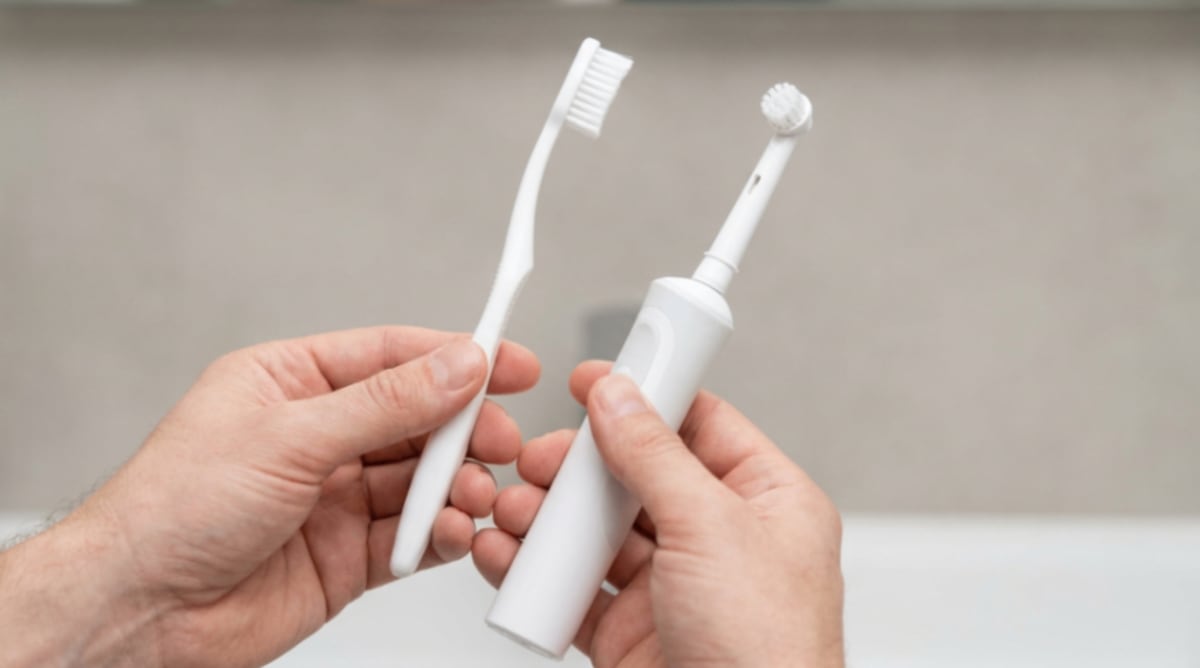
The toothbrush you use does matter, but probably less than you think. The bigger predictors of whether your teeth and gums stay healthy are how often you brush, how thoroughly you cover the gumline (the edge where your gums meet your teeth), and whether you press too hard. A good manual toothbrush in steady hands can keep a mouth healthy for life. A good electric toothbrush makes that work easier in some situations and clearly more effective in others. This article walks through what the research actually shows about manual versus electric, the two main electric designs, how to read bristle and head specs, and how to match the right brush to your mouth.
What the research actually shows
The largest summary of the evidence is the 2014 Cochrane review by Yaacob and colleagues, which pooled 56 trials covering 5,068 participants and compared powered (electric) against manual toothbrushing. At one to three months of use, electric toothbrushes reduced plaque (the soft, sticky film of bacteria on the tooth surface) by about 11% compared with manual brushing, and gingivitis (the early, reversible inflammation of the gums) by about 6%. After three months of use the differences widened to roughly 21% for plaque and 11% for gingivitis, both in favour of electric brushing. The Cochrane reviewers were careful to point out that the clinical importance of those numbers is not the same for every mouth. For someone whose gums are already healthy and whose plaque scores are low, an 11% reduction makes very little practical difference. For someone with persistent gingivitis, ongoing bleeding gums, braces, or limited dexterity (the fine hand control needed for the small wrist movements of effective brushing), the same percentage translates into a clearer, more meaningful improvement. Among electric brushes, two main designs dominate the market. A 2023 systematic review in the International Journal of Dental Hygiene compared oscillating-rotating brushes (small round heads that rotate back and forth and pulse in and out) against high-frequency sonic brushes (oval heads that vibrate side-to-side at high speed). Oscillating-rotating brushes had a small but consistent advantage on plaque and on bleeding sites, with the authors describing the effect as a "very small clinical relevant beneficial effect" at moderate certainty.
In practical terms, both designs are good. If you already use one and like it, there is no compelling reason to switch.
Manual toothbrushes: when one is enough
A manual toothbrush is enough on its own when:
Your gums are healthy and your check-up records show low plaque scores year on year.
You have steady hand control and brush for at least two minutes, twice a day.
You can reach every surface, including the inside of the back teeth and the chewing surfaces.
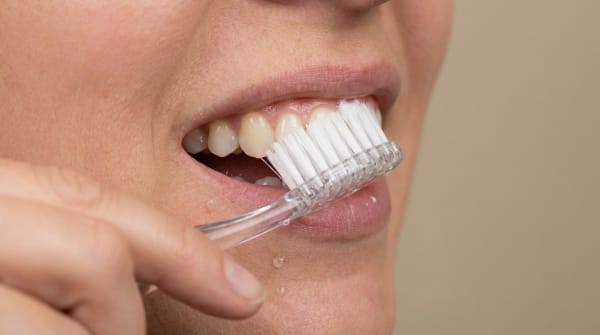
You use a soft-bristled brush and do not press hard enough to make the bristles splay.
Manual brushes have real practical advantages. They are inexpensive, they travel well, they need no charging, and they last for several months before the head needs replacing. They do, however, demand more from the technique side. Patients who tend to brush in fast horizontal scrubs across the front teeth and miss the back teeth altogether usually do better with an electric brush.
How to choose a manual toothbrush
If you are buying a new manual toothbrush, here is what to look for on the back of the packet.
Soft or extra-soft bristles. Medium and hard bristles wear enamel and gum tissue, especially in adults who brush firmly. Soft bristles, used with light pressure, clean just as well and do far less damage over years.
Flat-trimmed bristles, all at the same height. Avoid angled, criss-cross, or zig-zag bristle patterns that promise “deeper cleaning”. The clinical evidence does not support them as better than a plain flat trim, and the irregular tips are more likely to poke the gum.
End-rounded bristles. Most modern bristles are mechanically rounded at the tip during manufacturing, which is gentler on gum tissue than a sharp-cut bristle. Look for “end-rounded”, “polished tip”, or “rounded bristles” on the packet.
Compact head. A smaller head reaches behind the back molars more easily. For most adults a head around 25 to 30 mm long is plenty. Children and adults with smaller mouths usually do better with a small head.
Nylon bristles. Avoid natural-bristle brushes (made from boar hair). Natural bristles are hollow and tend to trap bacteria; modern nylon is the dental standard.
A grippy, non-slip handle. Wet hands need a handle that holds steady at the right angle. For anyone with arthritis or reduced grip, a thicker, longer handle is easier to control.
Skip the gimmicks. Tongue scrapers on the back of the head, rubber “gum stimulators” at the tip, and oversized full-size heads are not necessary for routine cleaning. The bristles do the work.
The right brush is only half the job. For the technique side, see how to brush your teeth properly.
Replace the brush every three months, or sooner if the bristles are visibly splayed. Actually, if the bristles splay in less than 3 months, your technique is too traumatic, change your technique or talk to us.
Electric toothbrushes: when they help more
The case for an electric brush is strongest in these situations.
Persistent gingivitis or bleeding gums. Electric brushing reduces both more reliably than manual, especially over months of consistent use. If your gums bleed when you brush despite trying to clean carefully, an electric brush is one of the simpler upgrades available.
Braces, retainers, or aligners with bonded attachments. Bonded attachments are small bumps glued to certain teeth that help clear aligners grip and move them. The small round head of an oscillating-rotating brush, or a thin sonic head, gets around brackets (the small metal or ceramic squares glued to each tooth that hold the wire) more cleanly than a wider manual head.
Implants, crowns, and bridges. A crown is a tooth-shaped cap that covers a damaged tooth, a bridge fills a gap by anchoring to the teeth either side, and an implant is a small titanium post placed in the jawbone to support a replacement tooth. Cleaning around these takes consistency. An electric brush set on a low or sensitive mode tracks the gumline reliably even if your technique slips.
Limited dexterity. Arthritis, hand tremors, recent stroke recovery, or simply a thicker, longer handle being easier to grip can all tip the balance towards electric. The brush does most of the small movement, so you only have to guide it.
A pressure-warning sensor. Most mid-range electric brushes pulse, slow, or flash a light when you press too hard. For people prone to gum recession (where the gum has pulled back from the tooth, exposing more of the root) and tooth abrasion (wear of the tooth surface from over-aggressive brushing), this is the single most useful feature on the device.
A built-in two-minute timer. Brushing for the recommended two minutes is the rule that almost no one actually meets with a manual brush. Most electric brushes time you automatically, with a quadrant signal every thirty seconds.
Oscillating-rotating versus sonic: the practical difference
Both designs are clinically effective. The differences are small and matter mainly for personal preference. Oscillating-rotating brushes have a small round head that rotates a fraction of a turn in each direction, often paired with an in-and-out pulsing motion. They tend to feel more focused, tooth-by-tooth. The 2023 meta-analysis showed a small advantage on plaque and on bleeding sites compared with sonic brushes. Sonic brushes have an oval head that vibrates very fast in a side-to-side sweeping motion. They cover more of the brush head's surface area at once and feel smoother to use. Some patients find the sensation easier to tolerate, particularly with sensitive teeth or recently treated gums. If you have not used an electric brush before, either design will do well. If you have a strong gag reflex or sensitive gums, a sonic brush often feels gentler. If you want the most thorough cleaning per stroke, an oscillating-rotating brush has a small evidence advantage.
How to choose an electric toothbrush
If you are buying or replacing an electric toothbrush, here is what matters more than the brand on the front of the box.
Soft or extra-soft replacement heads. The same bristle rule applies as for manual brushes. Skip medium and hard heads.
A pressure sensor. Most mid-range and higher brushes pulse, slow, or flash a light when you press too hard. For anyone prone to gum recession or tooth abrasion, this is the most useful single feature on the device.
A built-in two-minute timer. Almost no one brushes for the full two minutes with a manual brush. An electric timer with a thirty-second quadrant signal makes this automatic.
Compact brush head. A small round head (for an oscillating-rotating brush) or a slim oval head (for a sonic brush) reaches behind the back molars more easily than a full-size head.
Rechargeable rather than battery-only. Disposable AA-powered models tend to lose vibration force as the battery drains. A rechargeable model gives more consistent performance and is cheaper over the life of the brush.
Easily available replacement heads. Choose a brand whose heads you can buy locally in Australia. Replace every three months regardless of how the bristles look.
Skip the marketing-only modes. “Whitening”, “tongue cleaning”, and “deep clean” modes mostly just change the vibration pattern. The basic clean mode is enough for routine use.
How to choose for your situation
Use this short decision aid.
You are healthy, brush thoroughly, and have low plaque scores at every check-up. A soft-bristled manual brush is enough. An electric brush is a reasonable upgrade if you want the timer and pressure sensor.
Your gums bleed when you brush, or your last check-up flagged gingivitis. An electric brush is a clearer recommendation, ideally one with a pressure sensor.
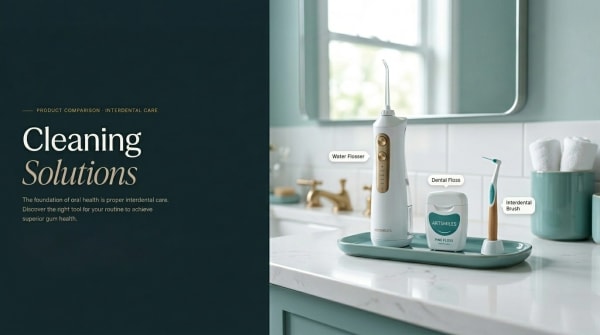
You wear braces, aligners with bonded attachments, retainers, or have implants, crowns, or bridges. An electric brush, paired with the right interdental cleaner (a small bottlebrush-style cleaner, dental floss, or a water flosser), is the better routine.
You have arthritis, tremor, or another reason brushing is physically harder. An electric brush with a chunky handle is the practical choice.
You have ongoing tooth wear or gum recession from heavy brushing. A pressure-sensor electric brush, used on a sensitive setting, is one of the simpler ways to slow further damage.
Common mistakes with both types
A few patterns turn up across both manual and electric users.
Pressing too hard. With a manual brush this scrubs gum tissue and abrades enamel at the gumline. With an electric brush it stops the head moving freely and reduces cleaning. Let the bristles, or the motor, do the work.
Brushing for less than two minutes. Most people who time themselves once are surprised by how short their usual session is. The full two minutes covers all four quadrants properly.
Skipping the inside surfaces. The tongue-side of the lower front teeth and the cheek-side of the upper back teeth are the most commonly missed, and the most likely to develop tartar (the hardened, calcified version of plaque) buildup.
Brushing immediately after acidic food or drink. Wine, citrus, sports drinks, and soft drinks soften the enamel temporarily. Wait at least thirty minutes before brushing, or rinse with water and brush later.
Replacing the head too rarely. Electric heads last about three months. Manual brushes the same. Splayed bristles clean poorly.
Choosing a hard-bristled brush. Never the right choice for adult home use.
When to talk to your dentist
Bring this up at your next appointment if:
Your gums bleed when you brush, despite a soft brush and gentle technique.
You notice gum recession or sensitivity at the gumline.
You have arthritis, tremor, or any change in dexterity that makes brushing harder.
You wear braces, aligners with bonded attachments, retainers, or have new implants, crowns, or bridges.
You are unsure whether you are pressing too hard or holding the brush at the right angle.
A short conversation lets the dentist or hygienist watch your technique, suggest the right head and bristle stiffness for your mouth, and adjust the recommendation as your situation changes.
Bottom line
For a healthy adult with steady hands and good technique, a soft-bristled manual toothbrush is enough. For most other patients, an electric toothbrush is a small but meaningful upgrade. An oscillating-rotating brush has the strongest evidence base, sonic brushes are clinically equivalent for most purposes, and the pressure sensor and two-minute timer matter more than the brand. Replace the head every three months, brush twice a day for two minutes, and let the bristles do the work. If you would like a hands-on check of your technique or a recommendation tailored to your mouth, our team at ArtSmiles can review your gum health and walk you through the right brush and method for your situation. If your gums bleed regularly, please book an assessment, since this usually points to something a brush alone will not fix, including gum disease.
Written by Dr. Cristian Dunker, BDSc, MBA.
Medically reviewed by Dr. Cristian Dunker.
Frequently asked questions
Is an electric toothbrush worth the money?
For most people whose gums are healthy and whose technique is good, the difference is small. For people with persistent gingivitis, braces, implants, or limited dexterity, an electric brush is usually worth it. A mid-range model with a pressure sensor and a two-minute timer is generally enough; the most expensive models add features that rarely change the clinical outcome.
Should I choose oscillating-rotating or sonic?
Both work well. The 2023 meta-analysis showed a small advantage to oscillating-rotating brushes on plaque and bleeding scores, but the difference is unlikely to matter for someone with a healthy mouth. If you already prefer one design, stay with it.
How hard should I press when brushing?
Light enough that the bristles do not splay. With an electric brush, light enough that the pressure sensor does not warn you. Pressing harder does not clean better and over years contributes to gum recession and tooth abrasion at the gumline.
Are hard-bristled toothbrushes ever the right choice?
Almost never for daily adult home use. They abrade enamel and gum tissue. A soft-bristled brush, used for the full two minutes with light pressure, cleans better and causes less damage over time.
How often should I replace my toothbrush head?
Every three months, or sooner if the bristles are visibly splayed. After a cold, flu, or mouth infection, replacing the head is sensible to avoid reinfecting yourself.
Can children use electric toothbrushes?
Yes, from around the age of three with adult supervision. Smaller, child-specific heads and lower vibration modes are widely available. Younger children should be helped to brush by an adult until they can write their own name fluently, which is the rough age at which fine hand control is reliable enough for thorough brushing.
References
Yaacob, M., Worthington, H. V., Deacon, S. A., Deery, C., Walmsley, A. D., Robinson, P. G., & Glenny, A. M. (2014). Powered versus manual toothbrushing for oral health. Cochrane Database of Systematic Reviews, 6, CD002281.
van der Sluijs, E., Slot, D. E., Hennequin-Hoenderdos, N. L., Valkenburg, C., & van der Weijden, F. (2023). The efficacy of an oscillating-rotating power toothbrush compared to a high-frequency sonic power toothbrush on parameters of dental plaque and gingival inflammation: A systematic review and meta-analysis. International Journal of Dental Hygiene, 21(1), 77-94.