Compiled from clinical pathology references. Medically reviewed by Dr Cristian Dunker, Principal Dentist, ArtSmiles Cosmetic Dentistry.
A tooth that has been quietly bothering you for years, perhaps a slight tenderness when you bit on it, or no symptoms at all, can suddenly flare into one of the most painful dental experiences a person ever has. The tooth becomes throbbing, the gum swells, the cheek puffs out, and biting becomes impossible. The medical name for this phenomenon is the dramatic-sounding phoenix abscess.
This article from the team at ArtSmiles, reviewed by Dr Cristian Dunker, explains what a phoenix abscess is, why it happens, and what care looks like.
What is it?
A phoenix abscess is an acute exacerbation of a chronic periapical lesion (long-standing infection at the root tip), a long-standing, quiet infection at the tip of a tooth root that suddenly becomes acutely inflamed. The lesion that was previously a chronic apical periodontitis (long-standing inflammation around the root tip) or periapical granuloma fills with pus and becomes a frank abscess (a fully formed pus-filled pocket).
Common features include:
Sudden severe throbbing pain in a previously quiet tooth.
Marked tenderness on biting, even gentle tapping is unbearable.
The tooth feeling "tall" in the bite, as it is pushed up by inflammation.
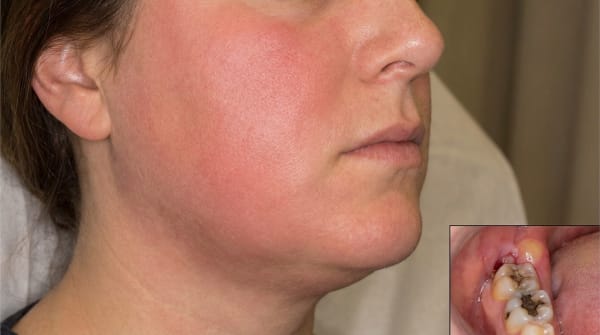
Swelling of the gum and cheek over the affected tooth.
Possible fever and feeling generally unwell.
Sometimes a draining sinus appearing on the gum after a few days, which paradoxically relieves pain.
Who tends to get it?
Phoenix abscesses are most often seen in:
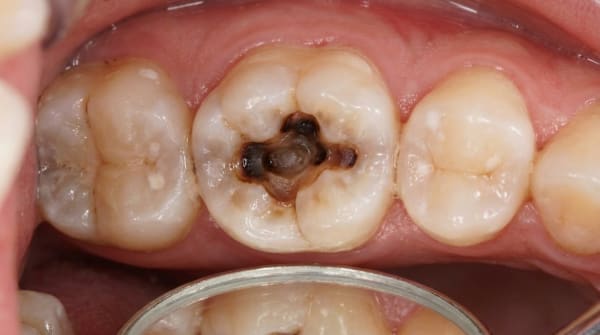
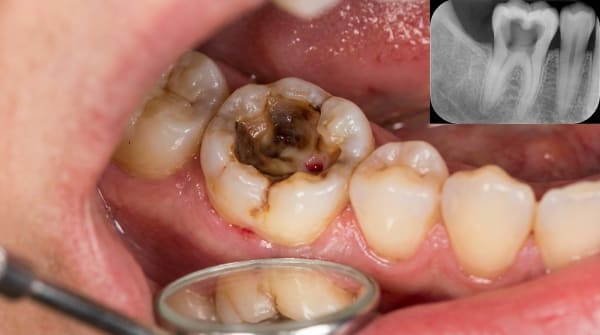
Patients with a tooth that has had a long-standing deep filling, large cavity, or previous root canal.
Adults, since these chronic lesions take time to develop.
Patients in run-down states, a recent infection, lack of sleep, stress, or new medical illness can tip a chronic lesion into acute flare.
Patients undergoing dental treatment of the tooth, sometimes the disturbance triggers the flare.
What causes it?
The underlying cause is a chronic infection in the dental pulp that has spread to the bone at the tip of the root. Triggers for the flare include:
A drop in immune defence during a cold, flu or other illness.
Mechanical disturbance of the tooth or surrounding tissues, including dental treatment.
Sudden changes in the bacterial population within the tooth.
Trauma to the tooth or jaw.
No identifiable trigger in many cases, the flare seems to come "out of the blue".
How does it develop?
The course is rapid:
The tooth has had a quiet chronic infection for months or years.
A trigger, known or unknown, disturbs the balance between bacteria and the body's defences.
Pus builds up rapidly at the tip of the root.
Pressure rises within the bone, producing severe pain.
The gum swells, and within hours to days the cheek may also become swollen.
If untreated, the abscess may:
Drain through the gum (a sinus tract appears, pain reduces).
Spread into surrounding facial spaces (a more serious infection).
Cause systemic illness with fever and lymph node enlargement.
What might you notice?
Common features include:
Severe throbbing tooth pain that came on suddenly.
A tooth that feels too long when biting.
Painful biting and chewing of any food.
Heat making it worse, cold sometimes giving brief relief.
Gum and cheek swelling.
A bad taste if pus is draining.
Fever, malaise, swollen lymph nodes in significant cases.
Difficulty sleeping due to pain.
What happens at the dentist?
When a phoenix abscess is suspected at ArtSmiles, the visit usually involves:
A history and examination to identify the affected tooth.
A bite test, percussion (tapping) test and pulp vitality test (a check that the nerve inside the tooth is still alive) to confirm.
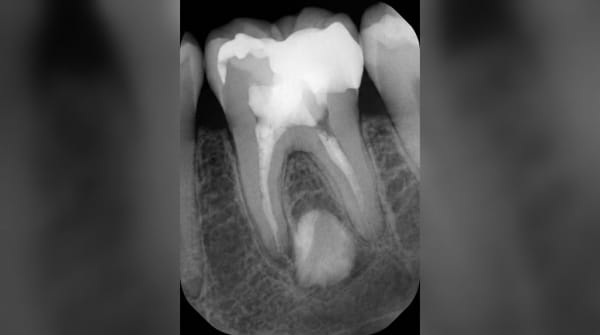
An X-ray showing the typical dark area at the root tip.
Immediate pain relief, local anaesthetic and (when needed) opening the tooth to drain pus.
Root canal therapy to clear the infection from the tooth.
Extraction when the tooth is not restorable.
Antibiotics when there is significant facial swelling, fever, lymph node involvement or systemic illness.
Pain relief, paracetamol with ibuprofen for most patients.
A follow-up plan to complete treatment.
Is this serious?
A phoenix abscess is dental urgent care. The reasons it deserves prompt treatment:
Severe pain affects sleep, eating and ability to function.
Spread to facial spaces can occasionally produce more serious infections.
Rare complications include Ludwig's angina, cavernous sinus thrombosis (a serious blood-vessel infection at the base of the skull) or sepsis (a serious whole-body response to infection), particularly in immunocompromised patients.
Tooth survival depends on prompt treatment.
For most patients, the condition responds well to drainage and root canal therapy or extraction.
Could it be something else?
Sudden severe tooth pain has several possible causes:
Acute periapical abscess without a chronic background.
Acute periodontal abscess from a deep gum pocket.
Pulpitis (inflamed nerve) without abscess formation.
Sinus pain referred to upper back teeth.
Trigeminal neuralgia, sharp lightning pain that does not fit a single tooth.
Trauma to the tooth or jaw.
A careful examination, bite testing and X-ray separate these.
How is it treated?
Urgent treatment is directed at draining the infection:
Local anaesthetic to numb the area.
Drainage, usually by accessing the inside of the tooth to release pressure.
Cleaning of the root canal, root canal therapy if the tooth is restorable.
Extraction if the tooth is not restorable.
Antibiotics in selected cases, most simple drainage cases do not need antibiotics.
Pain relief with paracetamol/ibuprofen as appropriate.
Follow-up to complete root canal therapy and restore the tooth, or to plan replacement of an extracted tooth.
What's the long-term outlook?
The outlook is good. With prompt treatment, pain settles within hours to days, the bone heals over weeks to months, and a successfully root-canal-treated tooth can last many years. Sometimes a previously root-canal-treated tooth that flares as a phoenix abscess may need re-treatment or apical surgery to clear the infection definitively.
If you have a sudden severe toothache, please contact us as soon as possible. Earlier treatment means less suffering and a better chance of saving the tooth.
A note on this article
This article is for educational purposes only and does not constitute a clinical diagnosis. Please consult a registered dental practitioner for assessment and treatment advice.
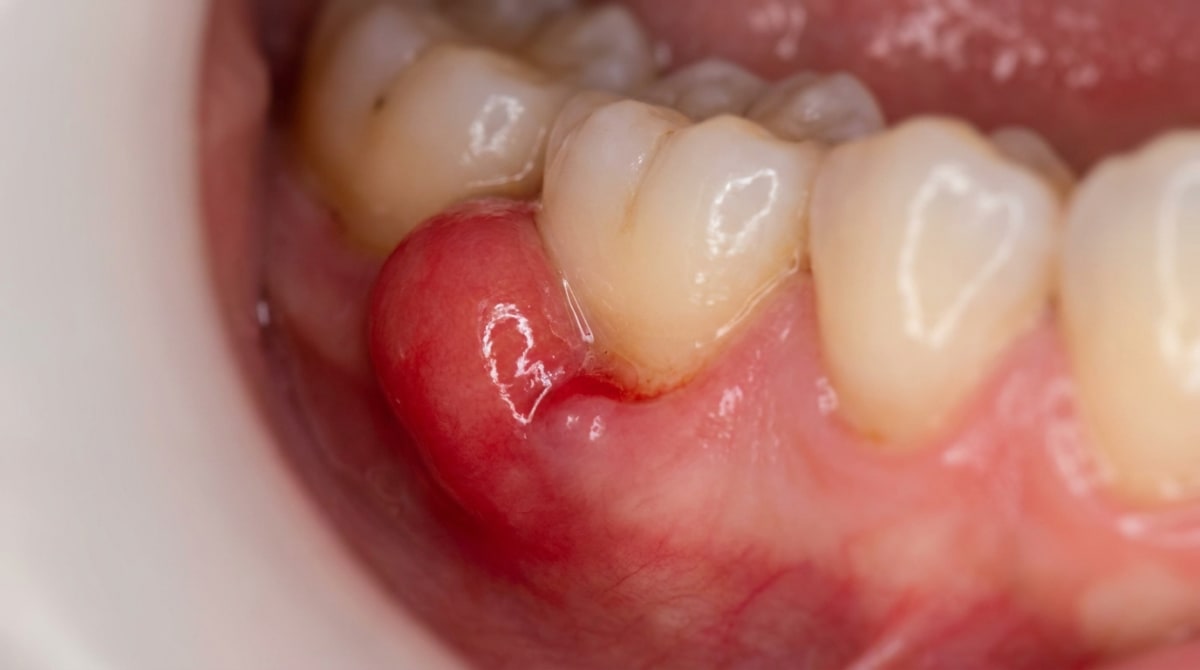
The cover image above is an AI-generated illustration based on the most common visible features of this condition described in clinical pathology references. It is not a photograph of a real case and should not be used to diagnose or rule out the condition in your own situation. If you are concerned about something you have noticed, please book an assessment with a registered dental practitioner.
References
Neville, B. W., Damm, D. D., Allen, C. M., & Chi, A. C. (2016). Oral and maxillofacial pathology (4th ed., Ch. 3: Pulpal and Periapical Disease, Periapical Abscess; Phoenix Abscess). Elsevier.
Cawson, R. A., & Odell, E. W. (2017). Cawson's essentials of oral pathology and oral medicine (8th ed., Ch. 6: Periapical Inflammatory Disease). Elsevier.
Regezi, J. A., Sciubba, J. J., & Jordan, R. C. K. (2017). Oral pathology: clinical pathologic correlations (7th ed., Ch. 3: Pulpal and Periapical Disease). Elsevier.
Frequently asked questions
What is a phoenix abscess?
A phoenix abscess is a sudden, acute flare-up of pain and swelling at the root tip of a tooth that previously had a quiet, chronic periapical lesion such as a granuloma or cyst. The name reflects the lesion 'rising from the ashes' from a previously dormant state.
What triggers a phoenix abscess?
Common triggers include lowered local or general immunity, the initial stages of root canal treatment that disturb the existing lesion, an introduction of fresh bacteria, or trauma to the tooth. Sometimes there is no clear trigger and the body just shifts from a chronic to an acute response.
Is a phoenix abscess an emergency?
It is an urgent dental problem. Pain is often severe and the tooth may feel pushed out of the socket. Significant facial swelling, fever or trouble swallowing or breathing means the patient should seek emergency care. Most localised phoenix abscesses are managed by a dentist within 24-48 hours.
How is a phoenix abscess treated?
Treatment is the same as any acute periapical abscess: drainage of pus, pain relief, and definitive treatment of the source tooth (typically root canal treatment or extraction). Antibiotics are added if there are signs of spread or systemic illness, but they do not replace dental care.