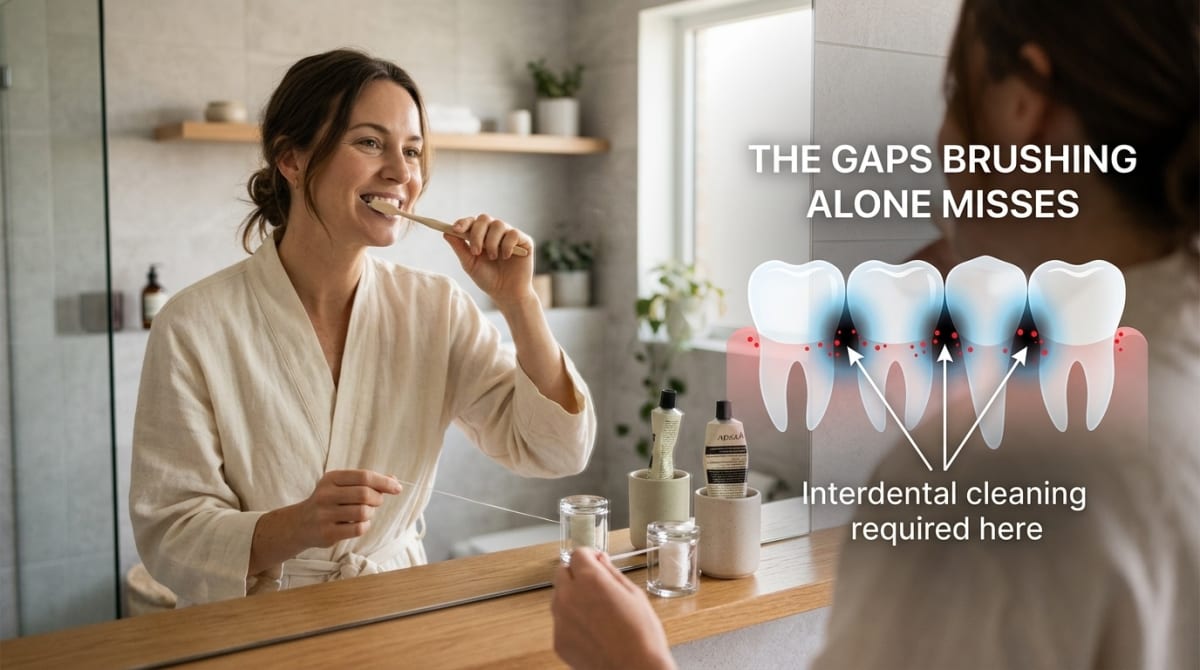
Brushing twice a day is one of the most important things you can do for your oral health. But even with perfect technique, a toothbrush only cleans about 60% of the tooth surface.
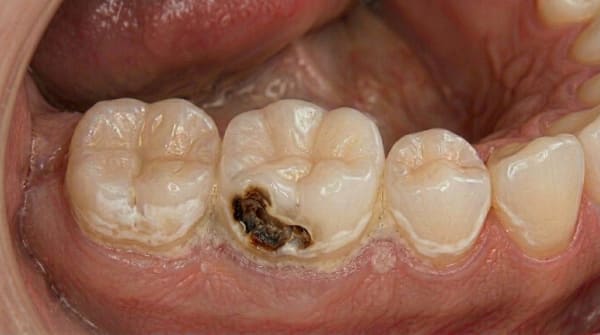
The remaining 40% — the areas between teeth and below the gumline — is where the most harmful bacteria live and where gum disease and cavities most often begin. Dental plaque is a structured biofilm, not a loose coating, and it requires physical disruption to be removed (Marsh, 2006).
Where Brushing Can't Reach
No matter how well you brush, certain areas remain difficult or impossible to clean with bristles alone:
Between tight contact points where teeth press together
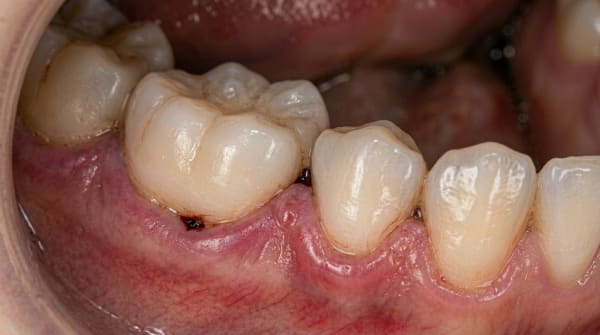
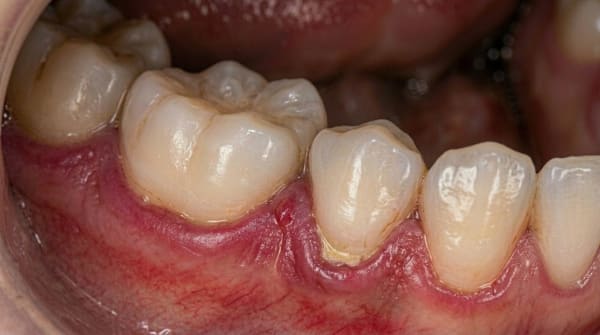
Under the gumline where bacteria first trigger inflammation
Around crowns, bridges, and older fillings
Between and around dental implants
Behind lower front teeth, where tartar tends to build fastest
In crowded or shifting teeth where overlapping surfaces trap plaque
These hidden areas become bacterial reservoirs. Even in people who brush consistently, plaque in these zones remains undisturbed and continues to mature into a more harmful biofilm over time.
Why Interdental Cleaning Matters
Because brushing misses these zones, cleaning between your teeth every day is not optional — it's essential.
Research consistently shows that adding interdental cleaning to brushing reduces both plaque and gum inflammation more than brushing alone (Slot et al., 2008). The main options include:
Dental floss — Best for tight contacts where teeth sit close together
Interdental brushes — More effective than floss for most people, especially those with spaces, recession, or early gum disease
Water flossers — A useful addition for cleaning around implants, bridges, or orthodontic appliances
The best interdental tool is the one you'll actually use every day. Your dentist or hygienist can recommend the right size and type based on your mouth.
Why Mouthwash Isn't a Substitute
Mouthwash can freshen breath and may reduce some bacteria in the short term, but it cannot:
Remove established plaque
Break up the biofilm structure
Clean between teeth or below the gumline
Treat active gum disease
Only physical disruption — brushing and interdental cleaning — removes plaque effectively. Mouthwash can be a helpful addition to a good routine, but it should never replace mechanical cleaning.
Why Professional Cleaning Is Still Necessary
Even with excellent brushing and daily flossing, dental plaque begins to harden into calculus (tartar) within a matter of days. Once plaque mineralises, it becomes firmly attached to the tooth surface and can no longer be removed with home care alone.
This hardened buildup creates a cascade of problems:
Acts as an anchor for more aggressive bacteria
Keeps inflammation active beneath the gumline
Allows gum pockets to deepen over time
Accelerates bone loss around the teeth
Creates a rough surface that attracts even more plaque
Blocks oxygen and saliva flow to the gums
Professional cleaning physically removes these deposits from areas your toothbrush and floss cannot reach, especially below the gumline. This reduces the bacterial load, calms inflammation, and allows the gums to stabilise (van der Weijden & Slot, 2011).
In simple terms, professional cleaning doesn't just remove surface stains. It resets the bacterial environment in your mouth and interrupts the disease process before irreversible damage occurs.
What a Good Oral Care Routine Looks Like
Protecting your teeth and gums doesn't require a complicated regimen. A simple, consistent routine covers the essentials:
Brush twice daily with a soft or electric toothbrush
Clean between teeth every day with floss or interdental brushes
Use adjuncts like a water flosser if you have implants, bridges, or hard-to-reach areas
Attend regular professional cleanings as recommended by your dentist
Have your gum and bone health monitored with periodic periodontal assessments
The earlier gum disease is detected, the easier it is to manage. Routine monitoring helps catch problems while they're still reversible (Tonetti et al., 2018).
The Bottom Line
Brushing is essential — but it's only part of the picture. Most dental disease starts between teeth and below the gumline, in areas a toothbrush simply cannot reach. Adding daily interdental cleaning and regular professional care closes that gap and makes cavities, gum disease, and bone loss far less likely.
If you're unsure whether your routine is enough, book an appointment online or get in touch with the team at ArtSmiles Gold Coast. We can assess your gum health and help you build a routine that works for your mouth.