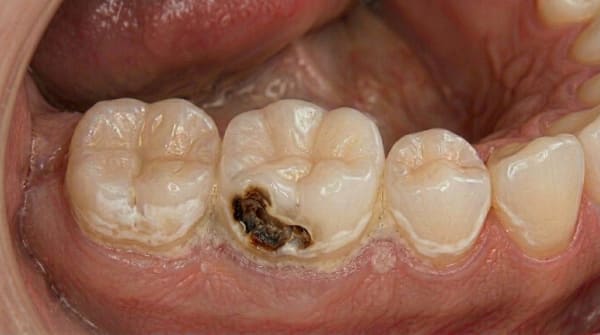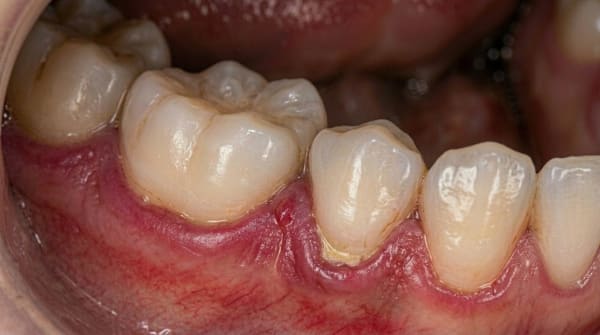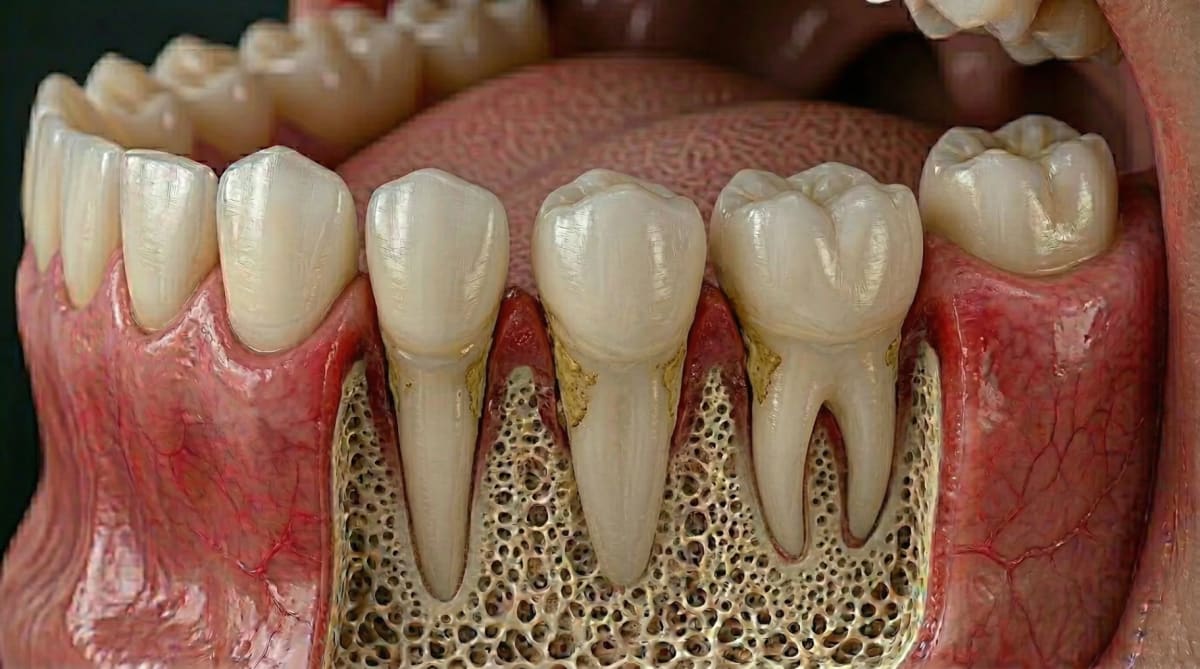
It's easy to brush off a little blood when you're brushing or flossing. Many people assume it's normal, or that they've just been too rough. But bleeding gums are your body sending you a message, and it's one worth listening to.
In most cases, bleeding gums are an early sign of gum inflammation (gingivitis), which is the first stage of gum disease. The good news is that gingivitis is completely reversible when caught early. The not-so-good news is that ignoring it can allow it to progress into something much harder to treat.
Why Do Gums Bleed?
If you have noticed your gums bleeding when you brush, you are not alone, and it is one of the most common questions we hear. The honest answer to why your gums bleed when you brush your teeth is that healthy gums usually do not bleed, so a little pink in the sink is your mouth's early warning sign rather than something to brush away. Bleeding gums when cleaning your teeth most often point to plaque building up along the gumline, not to brushing too hard. So if you are asking why your gums are bleeding, the section below walks through each common cause.
Healthy gums don't bleed. When they do, it almost always means there's inflammation caused by bacteria in dental plaque. The classic experimental gingivitis study by Löe et al. (1965) showed that when plaque is allowed to accumulate on teeth, gum inflammation develops within days. And when the plaque is removed, the inflammation resolves.
In simple terms: plaque causes inflammation, and inflammation causes bleeding.
Common Causes of Bleeding Gums
Plaque buildup and gingivitis
This is the number one cause. When plaque isn't removed thoroughly through daily brushing and flossing, it irritates the gums and triggers an inflammatory response. The gums become red, swollen, and bleed easily.
Brushing too hard
Using a hard-bristled toothbrush or pressing too firmly can physically damage the gum tissue. Switch to a soft-bristled brush and use gentle, circular motions rather than scrubbing back and forth.
Inconsistent flossing
If you only floss occasionally, your gums may bleed when you do. This is actually a sign that those areas need more attention, not less. With daily flossing, the bleeding typically stops within a week as the inflammation settles.
Hormonal changes
Pregnancy, puberty, and menopause can all increase blood flow to the gums and make them more sensitive to plaque. "Pregnancy gingivitis" is particularly common and usually resolves after delivery, but it still needs to be managed during pregnancy to protect both mum and baby.
Medications
Blood thinners and some other medications can increase the tendency for gums to bleed. If you're on medication and noticing more bleeding than usual, mention it to your dentist so they can take it into account.
Vitamin deficiencies
Low levels of vitamin C (which supports gum tissue health) and vitamin K (which helps with blood clotting) can contribute to gum bleeding. A balanced diet usually provides enough of both, but it's worth discussing with your doctor if you're concerned.
What Happens If You Ignore It?
Gingivitis is the body's early warning system. If the plaque and inflammation aren't addressed, gingivitis can progress to periodontitis, a more serious form of gum disease that damages the bone and ligaments supporting your teeth.
Once bone is lost, it doesn't grow back on its own. This is why catching things early matters so much. A review by Linden et al. (2013) also highlighted that chronic gum inflammation is linked to systemic health conditions including cardiovascular disease and poorly controlled diabetes.
Bleeding gums aren't just a dental concern. They're a signal about your overall health.
What You Can Do Right Now
If your gums are bleeding, here are the most effective steps you can take today:
Brush twice daily with a soft-bristled toothbrush for at least two minutes. Focus on the gum line where plaque tends to build up
Floss every night before bed. Be gentle but thorough, especially between the back teeth
Use an antimicrobial mouthwash to help reduce bacteria in areas your brush might miss
Stay hydrated throughout the day. Water helps wash away food particles and bacteria
Eat a balanced diet with plenty of fruits and vegetables, especially those rich in vitamin C
Don't smoke. Smoking masks gum disease symptoms (gums bleed less even when diseased) and significantly slows healing
When to See a Dentist
If your gums are still bleeding after two weeks of consistent brushing and flossing, or if you notice any of the following, book an appointment:
Gums that are red, swollen, or pulling away from the teeth
Persistent bad breath
Teeth that feel loose or are shifting position
Pain when chewing
Bleeding that seems excessive or doesn't stop
Your dentist can assess whether the bleeding is due to simple gingivitis (which is easily treated with a professional clean and improved home care) or whether there's something deeper going on that needs attention.
How We Can Help
At ArtSmiles in Southport, we take gum health seriously. If your gums are bleeding, we'll start with a thorough assessment to understand what's causing it, then create a treatment plan tailored to your situation.
For many patients, a professional deep clean combined with improved home care is all that's needed. For those with more advanced gum disease, we offer structured periodontal maintenance programs to keep things stable long term.
Whatever stage you're at, there's no judgement here. Just genuine care and a clear plan to get your gums healthy again. Book an appointment or call us on (07) 5588 3677.