
Deep Cleaning
(Scaling & Root Planing)
Healthy gums are the foundation of a healthy smile.
If your gums are bleeding, swollen, or pulling away from your teeth, it could be a sign that infection is hiding below the surface. A deep cleaning gently removes the bacteria causing the problem and gives your gums a chance to heal. At ArtSmiles in Southport, we help Gold Coast patients protect their teeth before the damage goes too far.
What Is
Deep Cleaning?
- Reduce inflammation
- Arrest bone loss progression
- Stabilise your teeth
- Protect long-term oral health
- Gingivitis
- Early periodontitis
- Moderate periodontal disease
- Bleeding gums with supporting bone loss
Gum Disease and
General Health
- Cardiovascular disease
- Diabetes
- Adverse pregnancy outcomes
- Respiratory infections
- Increased inflammatory markers
When Is Deep Cleaning Needed?
- Bleeding when brushing
- Persistent bad breath
- Gum swelling
- Gum recession
- Deep gum pockets
- Bone loss on X-rays
Book Your Periodontal Assessment
Share your details and our team will be in touch within 1 business day to confirm your appointment.
Prefer to call? Reach us on (07) 5588 3677
How Deep Cleaning
Works at ArtSmiles
Every case is assessed individually. Treatment is planned based on pocket depth, bone levels, and biological risk, not performed automatically.

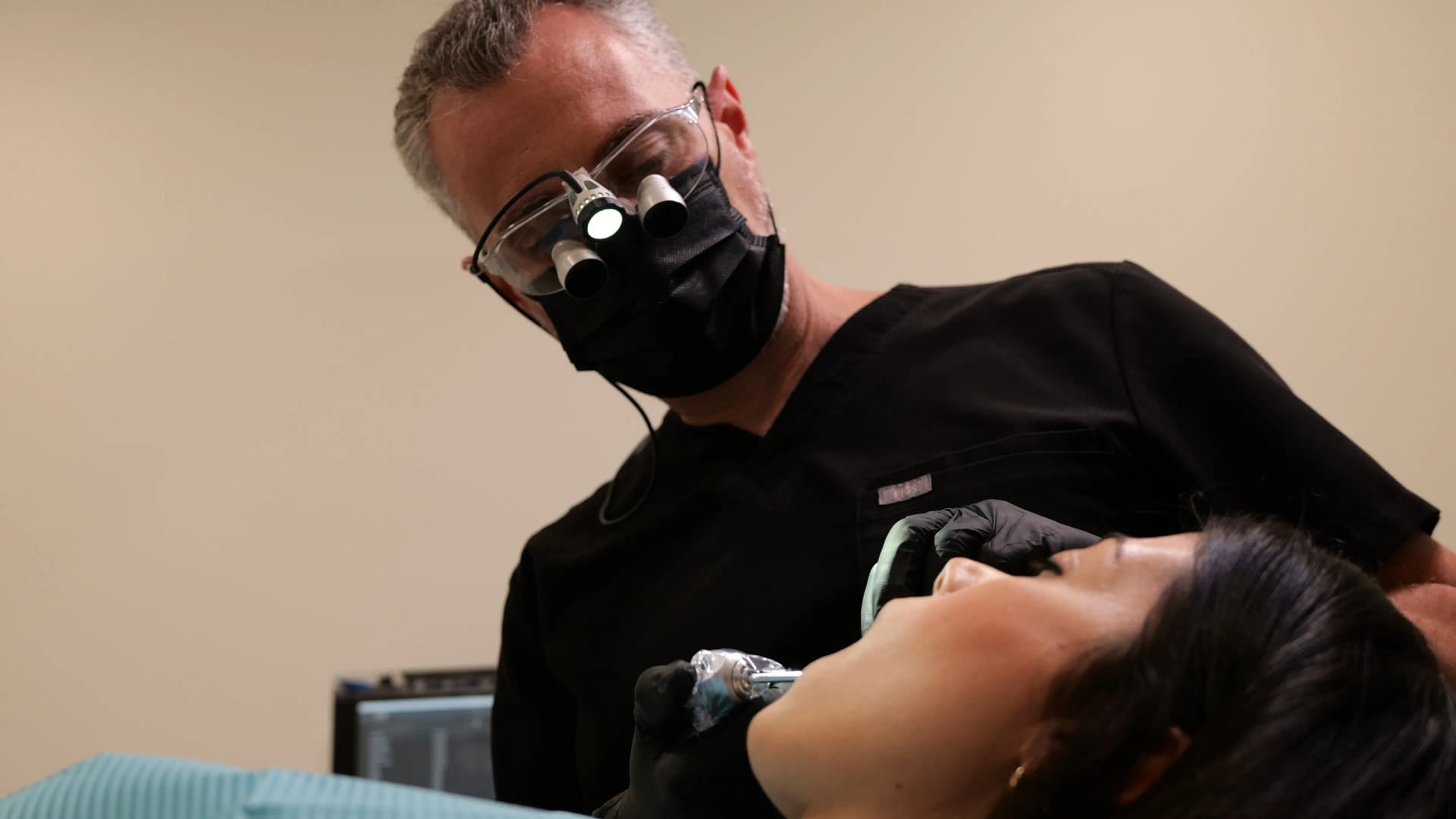
Comprehensive Assessment
We measure gum pockets, assess bleeding points, evaluate bone levels, and determine your biological risk.
- —Gum pocket measurement
- —Bleeding index scoring
- —Radiographic bone level analysis
- —Biological risk assessment
 Step 01 · ArtSmiles
Ready to take the next step?
Book a consultation to discuss your personalised plan.
Deep Cleaning vs
Routine Dental Cleaning
- Progressive bone loss
- Tooth mobility
- Tooth loss
- Complications around implants
- Increased systemic inflammatory burden
How to Know When
a Deep Clean Is Right
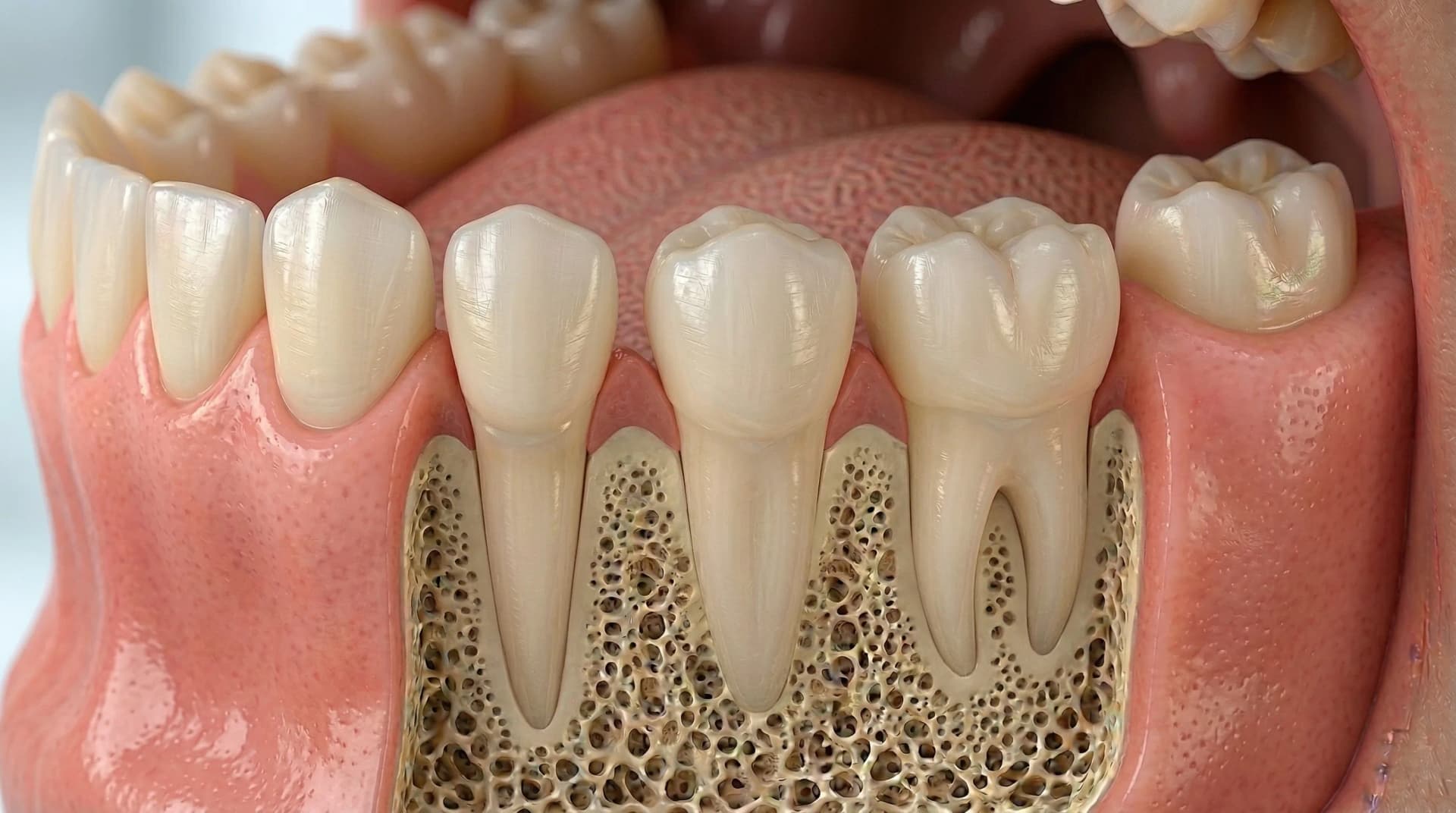 Routine Clean
Healthy
No inflammation, no bleeding, no pocket depth beyond normal. Maintained with regular check-ups and professional cleaning.
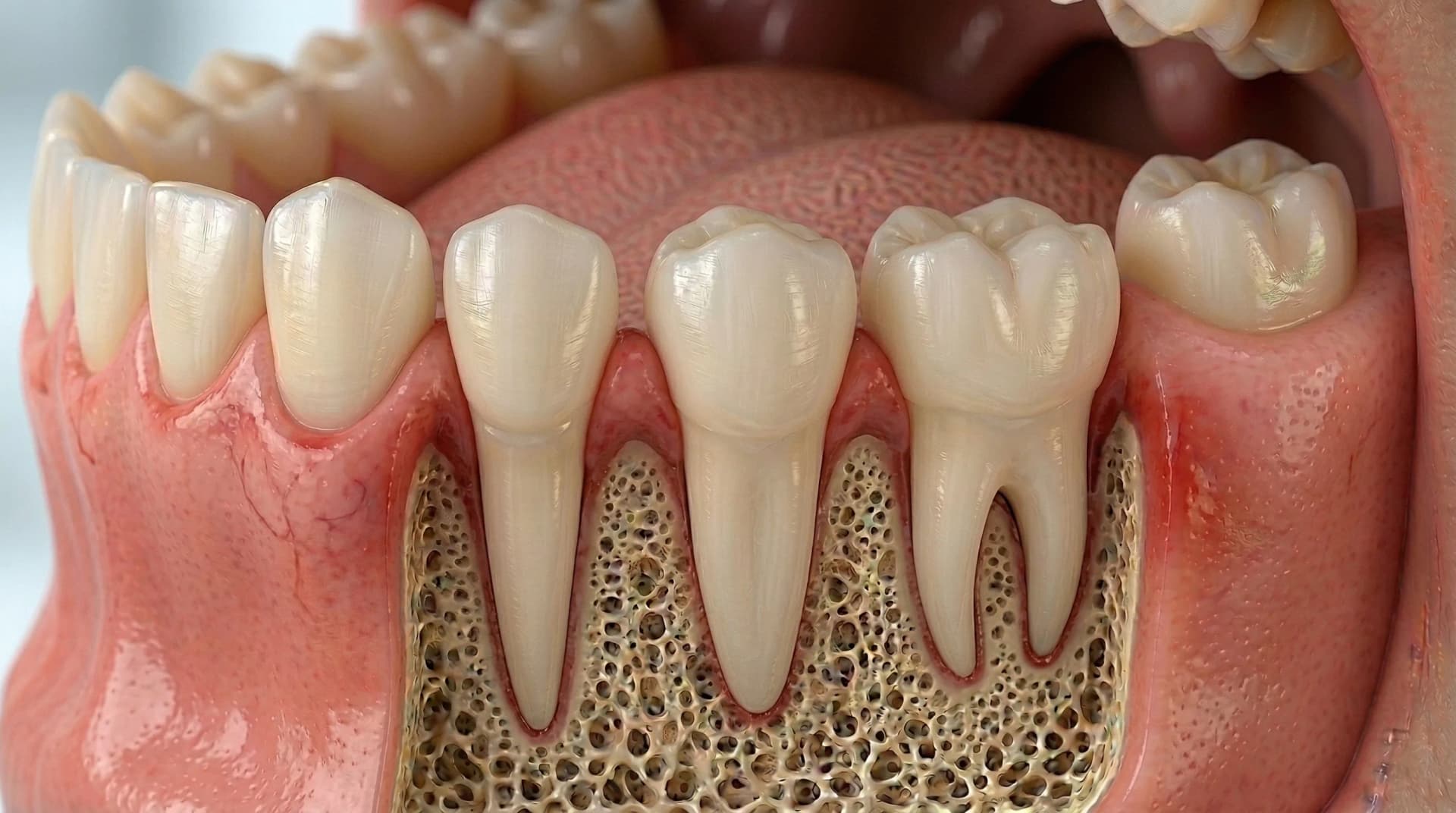 Routine Clean
Gingivitis
Reversible gum inflammation with redness and bleeding. No bone loss yet. Early intervention prevents progression.
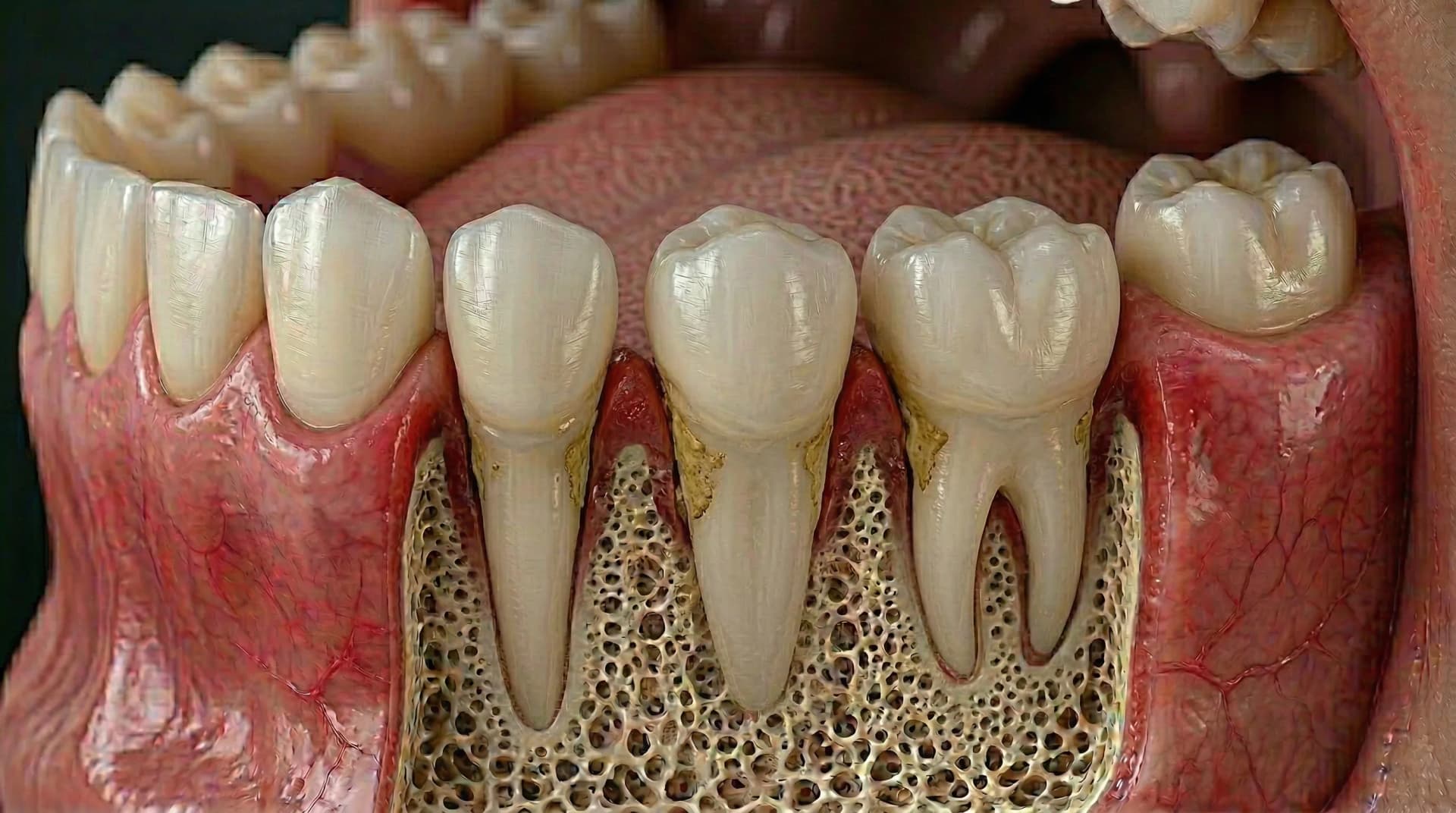 Deep Cleaning
Early Periodontitis
Mild bone loss begins. Pockets deepen beyond 4 mm. Deep cleaning is highly effective at halting progression.
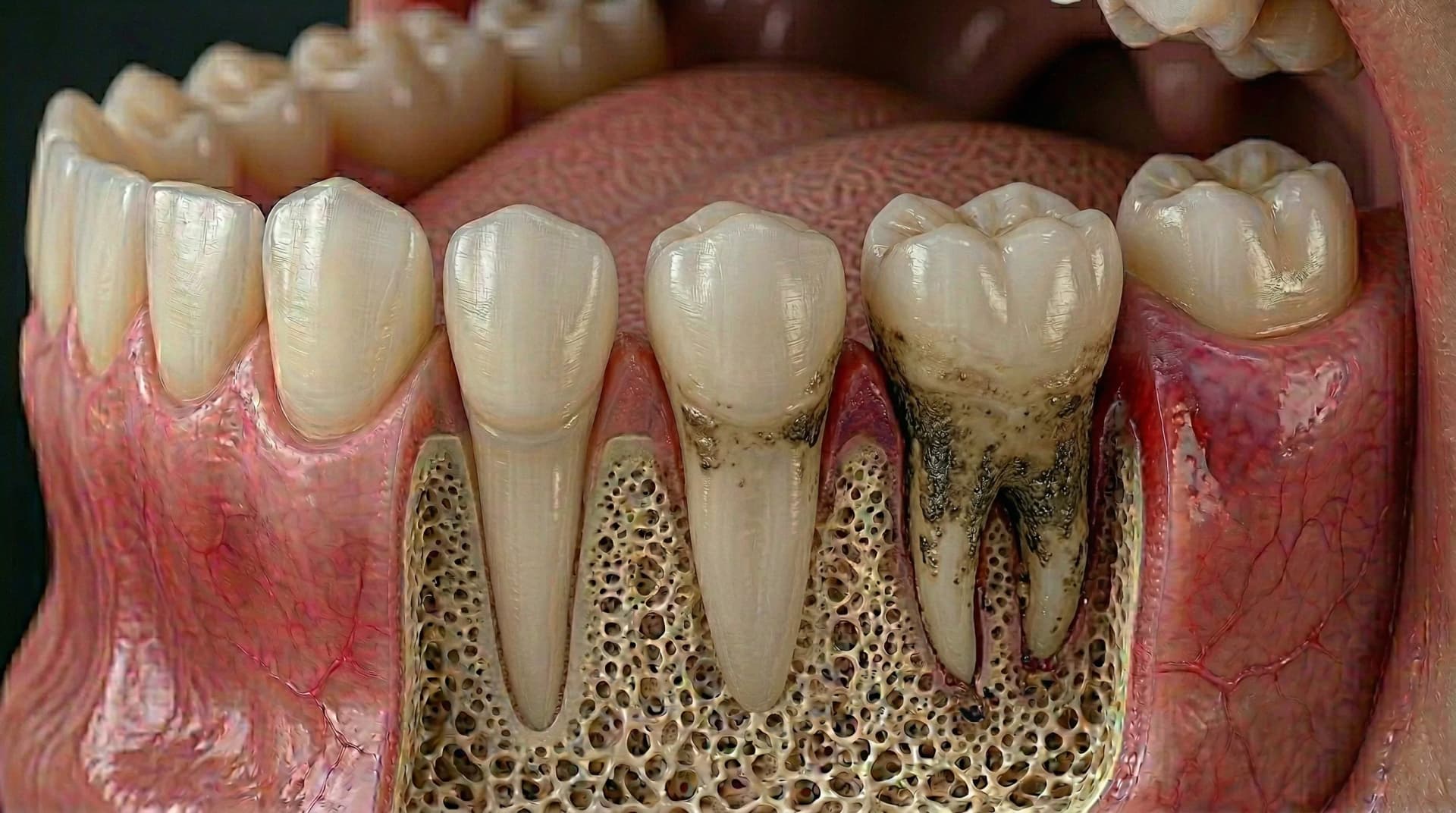 Deep Cleaning
Moderate Periodontitis
Deeper pockets, increased mobility risk, and visible bone loss. Non-surgical therapy remains the first-line approach.
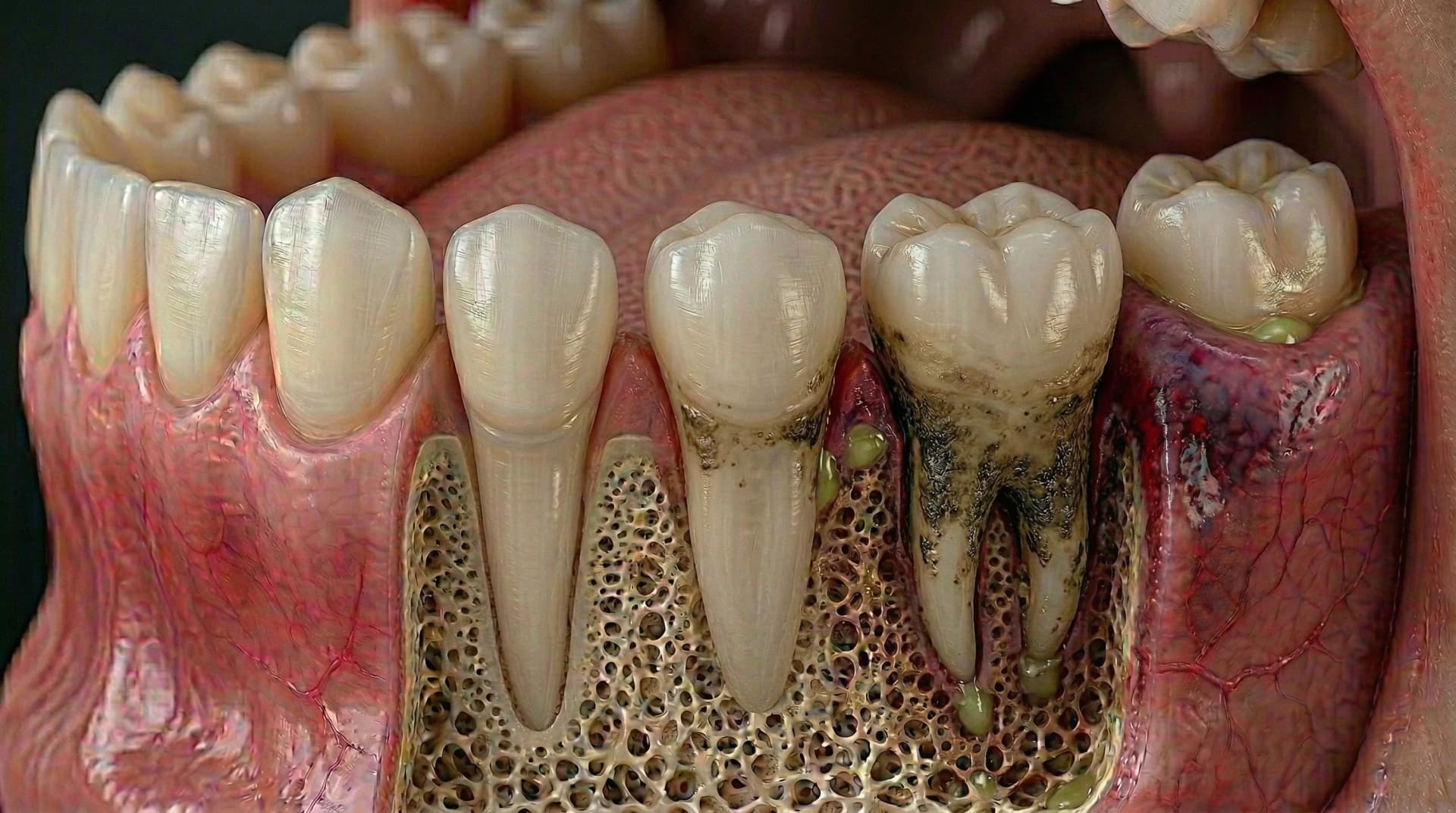 Surgery
Advanced Periodontitis
Extensive structural damage and potential tooth instability. Surgical intervention is typically required at this stage.
Stages 1 and 2 are managed with routine check-ups and professional cleaning. Deep cleaning (scaling and root planing) is indicated for Stages 3 and 4. Stage 5 typically requires periodontal surgery.

Concerned About Your Gums?
Don’t wait until it gets worse. Book a gum health assessment and we’ll let you know exactly what’s going on and how to fix it.
Ready to get started?
Prefer to call? (07) 5588 3677
Deep Cleaning
Cost Guide
The cost of deep cleaning depends on the number of quadrants treated, severity of the condition, pocket depth, time required, and whether staged appointments are needed. A full periodontal assessment is required before confirming cost. Treatment is not performed automatically — it is recommended only when clinically indicated. All assessments include pocket charting, bleeding index scoring, and radiographic analysis.
- —Number of quadrants treated
- —Severity of gum disease
- —Pocket depth
- —Time required
- —Need for staged appointments
Final pricing confirmed after a full periodontal assessment, including pocket charting and radiographic analysis.
Book a Consultation
Preventive care membership with check-ups, cleans, and savings on treatments. Priority scheduling included.
Flexible Payment Options
We understand that dental treatment is a significant decision. Flexible finance solutions and staged planning options are available. For more information, please visit our dedicated Finance page. For eligible patients facing hardship, structured access may be available under our Blessing Program.
Understand Your
Oral Health Risk
Our risk assessment takes less than two minutes and helps us identify potential vulnerabilities before they compromise your treatment. The results allow our team to build a personalised prevention plan alongside your care.
- —Decay risk, dietary habits, saliva quality, and bacterial balance
- —Gum disease risk, inflammation patterns, bone support, and hygiene effectiveness
- —Grinding & clenching risk, bite forces, wear signs, and jaw tension
Start Your Assessment
Takes less than 2 minutes. No obligation.
Risks and
Clinical Considerations
Potential Risks Include
Tooth Sensitivity
Temporary sensitivity to cold, air, or touch is common after deep cleaning as root surfaces are exposed. This typically settles within a few weeks as the gums heal and reattach.
Gum Tenderness and Bleeding
Mild gum soreness and short-term bleeding may occur during the healing phase. This is a normal response as inflamed tissue resolves and healthy tissue regenerates.
Gum Recession
As inflammation reduces, gum tissue may shrink slightly, revealing recession that was previously masked by swelling. This reflects healing rather than new damage.
Incomplete Resolution
Advanced periodontal conditions may not fully respond to non-surgical treatment alone. Persistent deep pockets may require surgical intervention for definitive management.
Recurrence Without Maintenance
Periodontal disease is chronic and can recur if structured maintenance intervals and home care protocols are not followed consistently after treatment.
Frequently Asked
Questions
What is scaling and root planing?
Scaling and root planing (SRP) is a non-surgical procedure that removes bacteria, plaque, and calculus from below the gum line and smooths root surfaces to encourage healing.
How long does deep cleaning take?
Treatment may be completed in one or multiple appointments depending on severity and the number of quadrants affected.
Will deep cleaning cure gum disease?
It controls and stabilises the condition. Advanced cases may require further therapy or surgical intervention.
What happens if I delay treatment?
Untreated periodontal infection can progress to irreversible bone loss, tooth mobility, implant complications, and eventual tooth loss.
What aftercare is needed after deep cleaning?
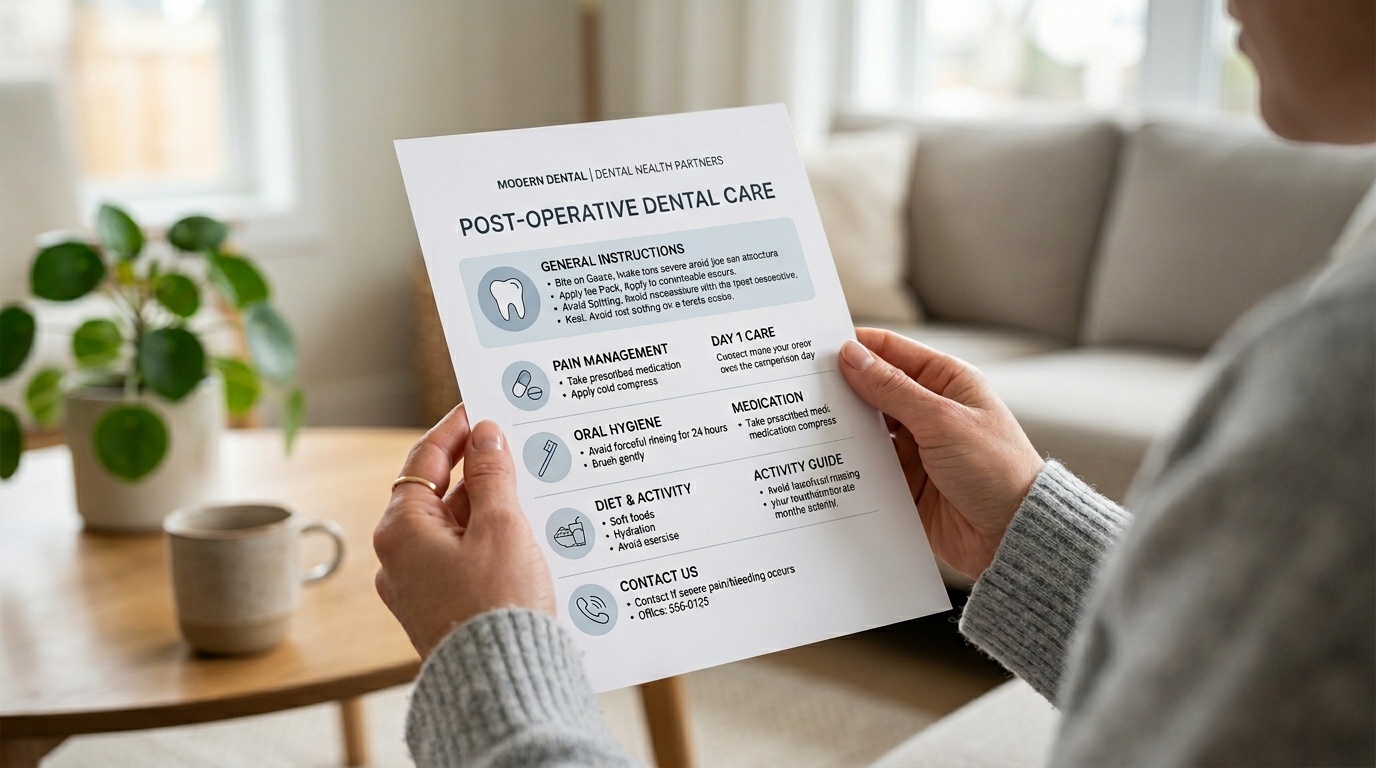
Avoid hard or hot foods for 24 hours. Mild sensitivity is normal. We schedule a re-evaluation at 6 to 8 weeks to assess healing and determine your maintenance interval.
Is deep cleaning necessary for bleeding gums?
If bleeding is caused by infection and deep pockets, a routine clean is insufficient. Deep cleaning addresses the source of infection beneath the gums where brushing cannot reach.
Is deep cleaning painful?
Local anaesthetic is commonly used to ensure comfort. Most patients experience only mild tenderness afterward.
Can gum disease return after treatment?
Yes, if ongoing maintenance is neglected. Periodontal disease is chronic and requires structured monitoring to remain controlled.
How much does deep cleaning cost?
Cost depends on the number of quadrants treated, pocket depth, and time required. A periodontal assessment is needed before confirming pricing. Finance options are available.
How often will I need periodontal maintenance?
Most patients require structured maintenance every 3 to 6 months based on individual risk and healing response.
Still have questions?
Our team is here to help. Book a consultation to discuss your options.
Our Other Periodontal
Services
This page has been clinically reviewed by Dr. Cristian Dunker, BDSc, MBA, Principal Dentist at ArtSmiles.