If you're weighing up veneers, the first question is usually how long they will last before they need any work. The honest answer is that it depends on the type you choose and how you look after them. Porcelain veneers tend to last well, while composite veneers cost less but ask for a little more upkeep over time. At ArtSmiles, we like patients to have a clear, realistic picture before they commit. Here's what to expect from veneer lifespan, what shortens it, and how to get the most years out of your smile.
The short answer
Most porcelain veneers last around 10 to 15 years, and often longer with good care. Composite veneers usually last about 5 to 7 years before they need refreshing or replacing.
Those numbers are averages, not promises. Two people can have the same veneers fitted on the same day and get very different results, depending on their habits, their bite, and how well they keep up their cleaning. Think of these figures as a sensible guide rather than a fixed expiry date.
How long do porcelain veneers last?
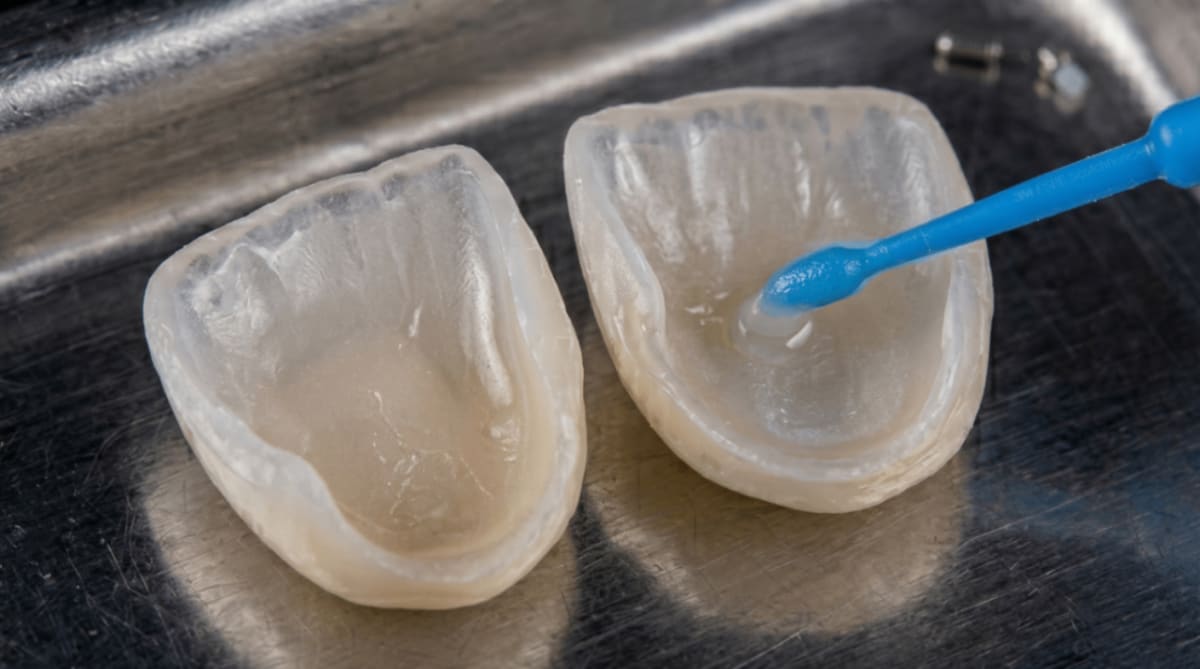
Porcelain veneers are thin, custom-made shells of dental ceramic bonded to the front of your teeth. Porcelain is strong and resists stains well, which is why these veneers commonly last around 10 to 15 years, and frequently longer when they're cared for.
What helps porcelain last is the material itself. It holds its colour and keeps its polish for years, even with everyday chewing. That said, porcelain can still chip or crack under heavy force, and the bond and the tooth underneath both change over time. A well-made porcelain veneer is a long-term restoration (a repair that restores a tooth), but it isn't a fit-and-forget one.
How long do composite veneers last?
Composite veneers are built up directly on your tooth using a tooth-coloured resin, the same kind of material used for white fillings. They're a more affordable option and can usually be completed in a single visit, but they don't last as long as porcelain.
On average, composite veneers last about 5 to 7 years before they need refreshing or replacing. The resin is softer than ceramic, so it's more prone to wear, chipping, and picking up stains from things like coffee, tea, and red wine. There's an upside, though. Composite is often easier to polish and repair than porcelain, so small touch-ups can sometimes extend its life without a full replacement.
Do veneers last forever?
This is a common question, and the straight answer is no. Veneers are a long-term restoration, not a permanent one.
Even a beautifully made veneer eventually needs replacing. Over the years, the bond holding it in place can weaken, the edges where it meets your tooth can pick up wear or staining, and the natural tooth underneath keeps changing. None of that means veneers are a poor choice. It simply means they're more like a quality investment you'll maintain and renew over time, rather than something you have once and never think about again.
What affects how long veneers last?
The good news is that a lot of what shapes veneer lifespan is in your hands. A few habits make the biggest difference.
Grinding or clenching at night. Constant pressure can crack or loosen a veneer. If you grind, a custom night guard (a thin plastic shield worn while you sleep) takes the load off. It's worth understanding what causes teeth grinding in sleep so you can manage it.
Using your teeth as tools. Biting nails, opening packets, or cracking very hard foods puts veneers under stress they aren't designed for.
Cleaning habits. Veneers don't decay, but the tooth around them can. Decay or gum problems at the margins (the edges where veneer meets tooth and gum) can undermine the whole restoration.
Staining habits. Frequent coffee, tea, red wine, and smoking dull a smile, and this matters more for composite than porcelain.
When do veneers need replacing?
Your veneers will usually give you some warning signs before they fail. It's worth booking a check-up if you notice any of these:
A chip or crack in the veneer
A dark line appearing at the gumline
The veneer feeling loose or moving slightly
New sensitivity to hot, cold, or sweet
Staining on a composite veneer that no longer polishes away
Catching these early often makes the fix simpler. A small composite chip might be repaired in one visit, while a loose or cracked porcelain veneer usually needs replacing. Your dentist can tell you which path makes sense for your situation.
How to make your veneers last longer
A little routine care goes a long way. To get the most years from your veneers:
Brush twice a day and floss daily, paying attention to the gumline
Wear a night guard if you grind or clench in your sleep
Don't use your teeth as tools for opening or biting hard objects
Ease off staining drinks, or rinse with water afterwards
Keep up your regular dental cleans and check-ups
These habits protect both the veneer and the tooth supporting it. If you're still in the planning stage, it can also help to look at how much veneers cost in Australia so you can weigh up the upfront price against how long each option tends to last.
References
Australian Dental Association. (n.d.). Oral health information. teeth.org.au
Healthdirect Australia. (n.d.). Dental care. healthdirect.gov.au
A note on this article
This article is general information only and isn't a substitute for personal dental advice. Veneer suitability and lifespan vary from person to person, so please speak with your dentist about what's right for you.
The cover image for this article was generated using AI and is for illustration only. It isn't a clinical photograph of a real patient or a specific treatment result.
Frequently asked questions
How long do dental veneers last?
It depends on the type. Porcelain veneers commonly last around 10 to 15 years, and often longer with good care, while composite veneers usually last about 5 to 7 years before they need refreshing or replacing. These are averages rather than guarantees, because so much comes down to your habits and how well you maintain them. Daily brushing and flossing, regular cleans, and protecting your teeth from grinding all help your veneers reach the upper end of that range.
Do veneers last forever?
No, veneers are a long-term restoration rather than a permanent one. Even a well-made veneer eventually needs replacing, because the bond can weaken over the years, the edges pick up wear, and the natural tooth underneath keeps changing. That isn't a reason to avoid them. It simply means you'll maintain and renew them over time. With good care, many people get well over a decade from porcelain veneers before any replacement is needed.
What makes veneers wear out faster?
The biggest factors are usually within your control. Grinding or clenching at night puts heavy pressure on veneers and can crack or loosen them, so a night guard helps. Using your teeth to open packets or bite hard objects also takes a toll. Poor cleaning lets decay or gum problems develop at the margins, which undermines the veneer. Staining habits like coffee, tea, red wine, and smoking shorten the life of composite veneers in particular.
When do veneers need replacing?
A few signs suggest it's time for a check. Watch for a chip or crack, a dark line forming at the gumline, the veneer feeling loose, or new sensitivity to hot and cold. On composite veneers, staining that no longer polishes away is another clue. Catching these early often makes the repair simpler, and in some cases a small composite chip can be fixed in a single visit rather than replaced. Your dentist can advise on the best approach.
Written by Dr. Cristian Dunker, BDSc, MBA.
Medically reviewed by Dr. Cristian Dunker.