Plenty of people come to us asking whether veneers for crooked teeth really work, often after seeing before-and-after photos online. The honest answer is that sometimes they do, and sometimes braces or aligners are the better choice. It depends on how crooked your teeth really are. At ArtSmiles, we'd rather give you the straight version than oversell one option. This article walks through what veneers can and can't do, how they compare with braces and Invisalign, and when straightening your teeth first is the healthier path.
Can you get veneers if your teeth are crooked?
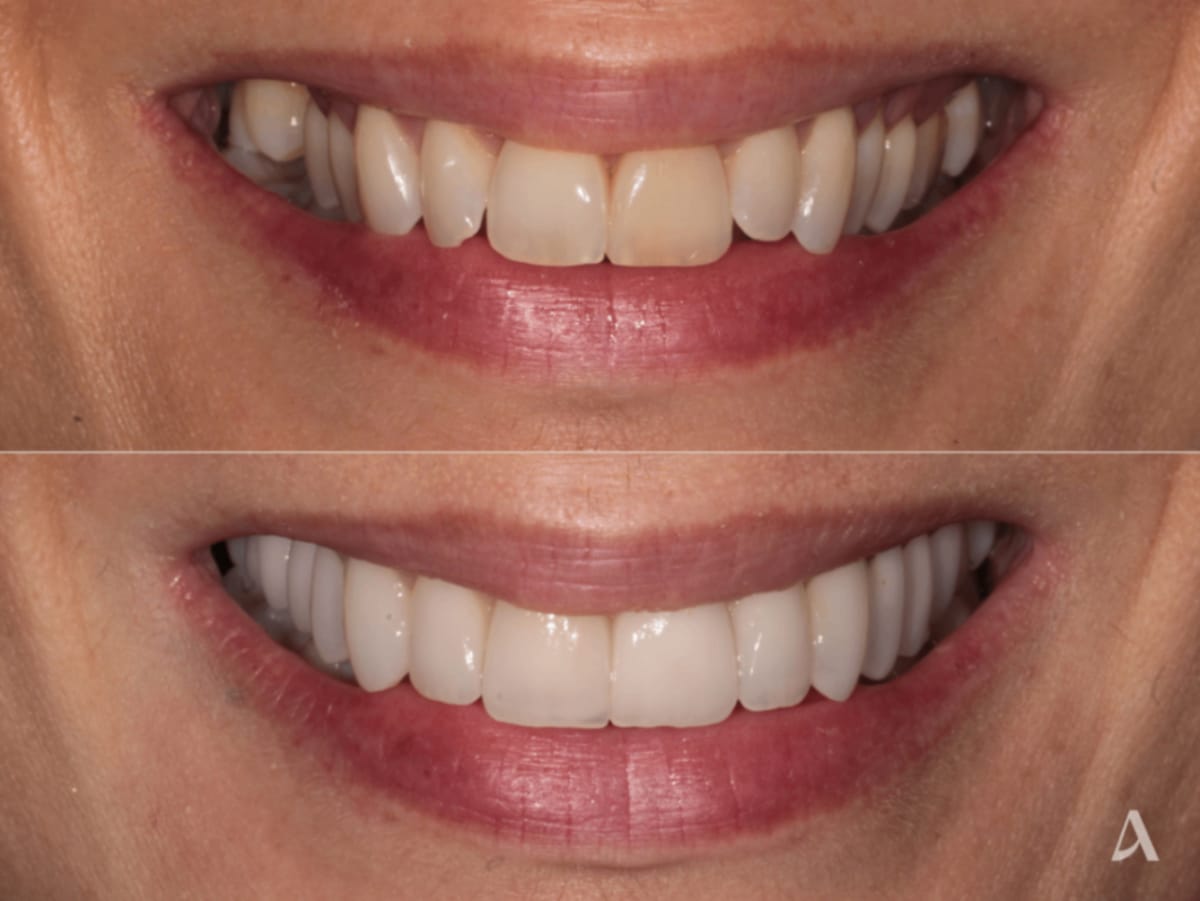
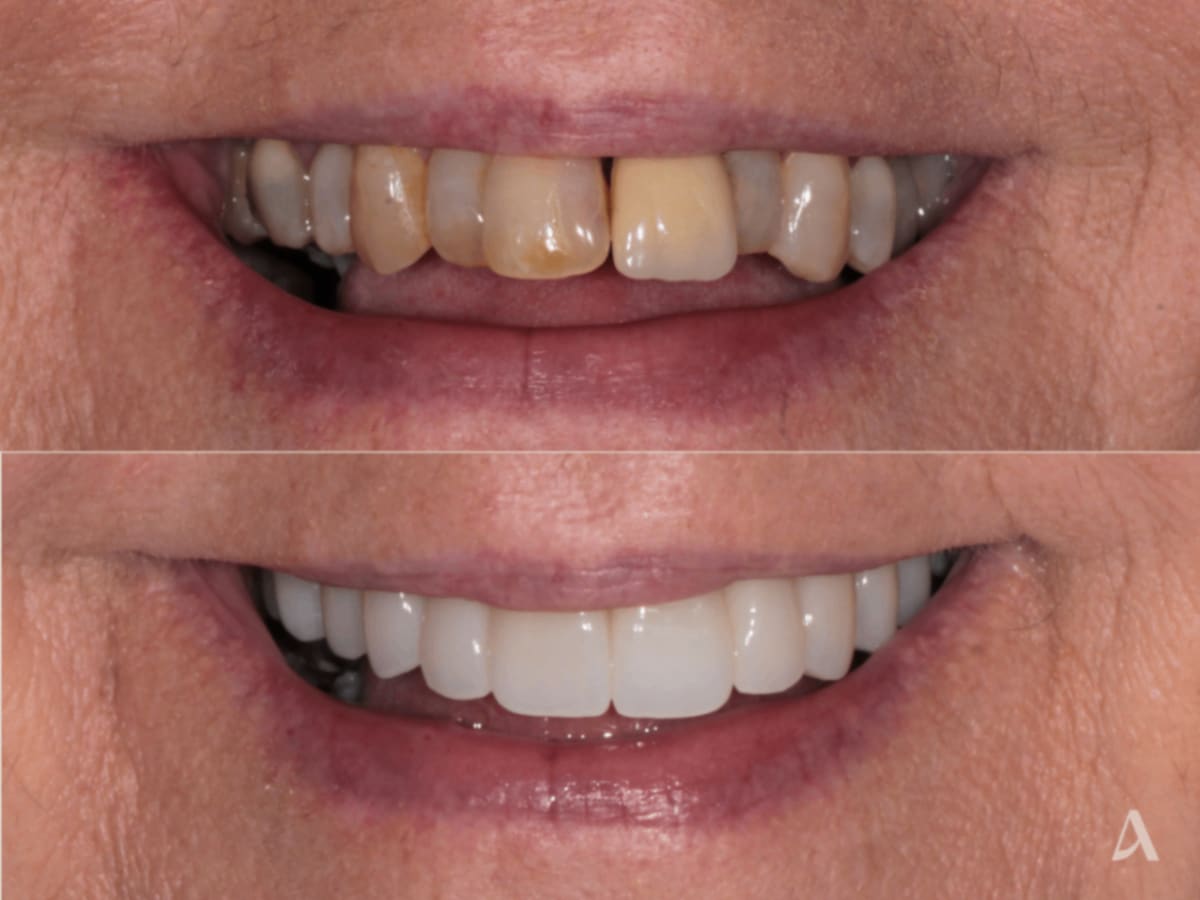
Often, yes, but it comes down to degree. Veneers are thin covers bonded to the front of your teeth, and they can make mildly crooked, slightly rotated or gently gapped teeth look straight. If your crookedness is small, veneers can be a good cosmetic fix.
Here's the catch. Veneers change how your teeth look, not where they actually sit. They reshape the surface you see at the front. So for mild cases, that's enough to give a neat, even appearance.
For more noticeable crowding (teeth overlapping because there isn't enough room) or teeth that are clearly twisted, veneers alone get tricky. That doesn't mean nothing can be done. It usually means a different plan suits you better, which we'll get to.
How veneers mask mild crookedness
Think of a veneer as a new front surface for the tooth. We can build it slightly fuller on one side and thinner on the other, so a tooth that sits a little back or a little rotated looks like it lines up with its neighbours.
This works well for small problems. A minor gap, one tooth that's turned a touch, a row that's a bit uneven. The veneer evens out the visible edges and the eye reads the smile as straight.
Traditional veneers usually involve removing a small amount of enamel (the hard outer layer of the tooth) so the veneer sits flush and doesn't look bulky. That enamel doesn't grow back, so this step is permanent. It's one reason we're careful about recommending veneers only where they genuinely fit.
 |  |
|---|
Veneers vs braces and Invisalign: the honest comparison
These two approaches solve the problem in completely different ways, so it helps to see them side by side.
Veneers cover the teeth. They're quicker, often finished in a few visits, and they also let you change the colour and shape at the same time. The trade-off is that they're cosmetic, they usually involve removing some enamel, and they don't improve how your teeth actually meet when you bite.
Braces and clear aligners (such as Invisalign) move your teeth into a better position. They keep all your natural tooth structure, so they're more conservative. The trade-off is time. Straightening can take several months up to around two years, depending on the case.
So when people ask about veneers vs Invisalign for crooked teeth, the real question is whether you want to cover the problem or correct it. For mild cosmetic concerns, either can work. For genuine crowding, moving the teeth is usually the healthier answer.
When braces or aligners are the better answer
For teeth that are noticeably crooked, crowded or rotated, trying to fix everything with veneers alone has a cost. To make a badly out-of-line tooth look straight under a veneer, we'd often have to remove a lot of healthy tooth, or the veneer ends up thick and a little bulky. Neither is ideal.
In these cases, straightening the teeth first is usually both healthier and better-looking. Good cosmetic dentistry sometimes means recommending orthodontics (treatment that moves teeth, like braces or clear aligners) instead of veneers, even when veneers are what you came in asking about.
We know that's not always the answer people are hoping for. But moving teeth into the right spot protects your natural tooth structure and tends to give a result that holds up well over the years. For health information on orthodontic options, healthdirect is a good independent starting point.
The align then veneer approach
There's a middle path that often gives the best of both, and it's one we like for the right patient.
First, clear aligners or braces gently move your teeth into a better position. Once they're sitting well, you can decide whether you still want veneers at all. Many people find that straightening alone gives them the look they wanted.
If you do still want veneers, they can now be thinner and more conservative, because the teeth underneath are already in good positions. That means less enamel removed and a more natural finish. You straighten first, then enhance, and you protect the teeth along the way. It takes longer than veneers alone, but the outcome is usually kinder to your teeth.
The risks of using veneers to fix crooked teeth
Here's what can go wrong when veneers are asked to do too much.
Bulky or unnatural appearance, when a veneer has to mask a tooth that's well out of line.
Plaque traps, where a thick or overhanging veneer creates spots that are hard to clean, which can affect your gums.
Extra stress on teeth that are still poorly positioned, because the underlying bite hasn't changed.
Permanence. The enamel removed for traditional veneers doesn't come back, so it's not a decision to rush.
None of this is meant to scare you off veneers. They're a lovely option in the right situation. It's simply why an honest assessment of how crooked your teeth are matters so much before any enamel is touched.
What we recommend
There's no single right answer here, and anyone who promises one without looking in your mouth is guessing. The best choice depends on how crooked your teeth are, your gum health, your bite and what you're hoping for.
For mild cases, veneers can be a quick and pleasing fix. For more significant crowding or rotation, straightening first, with or without veneers afterwards, usually gives a healthier, more natural result. If cost is on your mind, our guide on how much veneers cost in Australia may help you plan.
The right step is a proper assessment so we can talk through your options honestly and let you decide with the full picture.
References
Healthdirect Australia. (n.d.). Dental care. healthdirect.gov.au
Australian Dental Association. (n.d.). Oral health information. teeth.org.au
A note on this article
This article is general information only and isn't a substitute for personal dental advice. Whether veneers, braces or aligners suit you depends on an in-person assessment of your teeth, gums and bite. Please book a consultation so we can give you advice tailored to your situation.
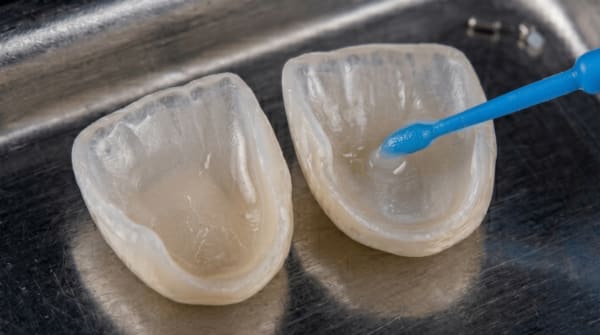
The cover image for this article was generated using artificial intelligence and is for illustration only. It isn't a clinical photograph of a real patient or a specific treatment result.
Frequently asked questions
Can I get veneers if my teeth are crooked?
Often, yes, if the crookedness is mild. Veneers cover the front of your teeth and can make slightly rotated, gapped or uneven teeth look straight. They work by changing how the teeth look, not where they sit. For more noticeable crowding or clearly twisted teeth, veneers alone usually aren't the best fit, and straightening first tends to be healthier. The honest answer comes down to degree, which is why an assessment helps decide whether veneers suit your smile or whether another option would serve you better.
Veneers or braces for crooked teeth, which is better?
It depends on what you want and how crooked your teeth are. Veneers are quicker and also change colour and shape, but they cover the problem rather than correct it, and they usually involve removing some enamel permanently. Braces and clear aligners actually move your teeth into a better position and keep all your natural tooth structure, though they take longer. For mild cosmetic concerns, veneers can work well. For genuine crowding or rotation, moving the teeth is usually the healthier choice.
Is it better to straighten teeth before veneers?
In many cases, yes. Straightening your teeth first, with braces or clear aligners, moves them into a good position. After that, you may find you no longer want veneers at all. If you still do, they can be thinner and more conservative, because the teeth underneath already line up. That means less enamel removed and a more natural finish. This align-then-veneer approach takes longer than veneers alone, but it protects your natural teeth and tends to give a result that holds up well.
Can veneers fix very crooked teeth?
Veneers aren't the best answer for very crooked teeth. To make a badly out-of-line tooth look straight under a veneer, we'd often have to remove a lot of healthy tooth, or the veneer would end up thick and bulky. That can create plaque traps and put stress on teeth that are still poorly positioned. For significant crowding or rotation, straightening the teeth first, then adding veneers only if you still want them, is usually both healthier and better-looking. An assessment is the best way to confirm what suits you.
Written by Dr. Cristian Dunker, BDSc, MBA.
Medically reviewed by Dr. Cristian Dunker.