

Periodontal Maintenance &
Implant Recall Protocol
Keeping your smile healthy for life.
The best dental work in the world only lasts if it’s properly looked after. At ArtSmiles in Southport, our personalised maintenance program keeps your gums healthy, your implants stable, and your dental work protected for years to come.
What Is
Periodontal Maintenance?
- Managing chronic periodontitis
- Monitoring implant stability and detecting peri-implant disease
- Identifying early warning signs such as bleeding gums or deepening pockets
- Protecting complex restorative and full-arch cases
Why Maintenance Matters
- Detect early signs of disease relapse
- Protect against return of gum disease
- Monitor implants and restorations systematically
- Safeguard complex rehabilitations
- Extend the lifespan of your dental treatment
Risk-Based
Recall Intervals
- 3 months – High periodontal or implant risk
- 6 months – Moderate risk
- 12 months – Low risk and stable patients
- History of gum disease treatment
- Presence of multiple crowns and implants
- Full-arch rehabilitation
- Smoking
- Diabetes
- Grinding or clenching
- Oral hygiene consistency
Book Your Periodontal Maintenance Assessment
Share your details and our team will be in touch within 1 business day to confirm your appointment.
Prefer to call? Reach us on (07) 5588 3677
What Happens at a
Maintenance Appointment
This is not just a dental cleaning. Each visit follows a systematic protocol personalised to your clinical profile and treatment history.

Clinical Assessment
We begin each visit with a review of your medical history, periodontal pocket measurements, and bleeding index scoring to detect any changes since the last appointment.
- —Review of medical history
- —Periodontal pocket measurements
- —Bleeding index scoring
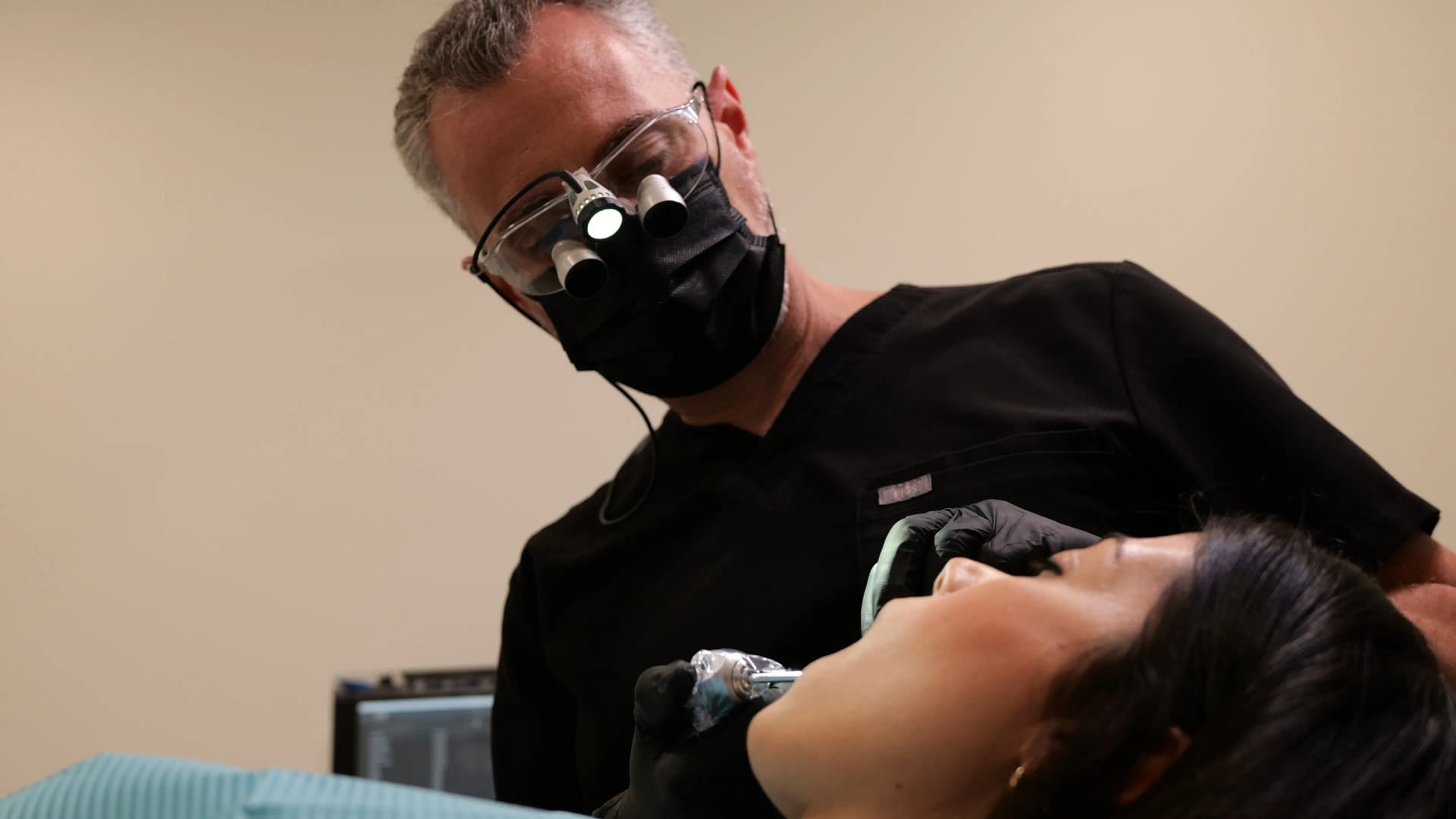 Step 01 · ArtSmiles
Ready to take the next step?
Book a consultation to discuss your personalised plan.
Periodontal Maintenance vs
Routine Dental Cleaning
Gum disease is a chronic condition. Even after successful treatment such as deep cleaning or periodontal surgery, the underlying susceptibility remains. Maintenance therapy is designed to:
- Monitor pocket depths and attachment levels
- Detect early signs of disease recurrence
- Remove bacterial deposits below the gumline
- Evaluate bone support around teeth
- Adjust your home care routine as needed
Stages of
Gum Disease
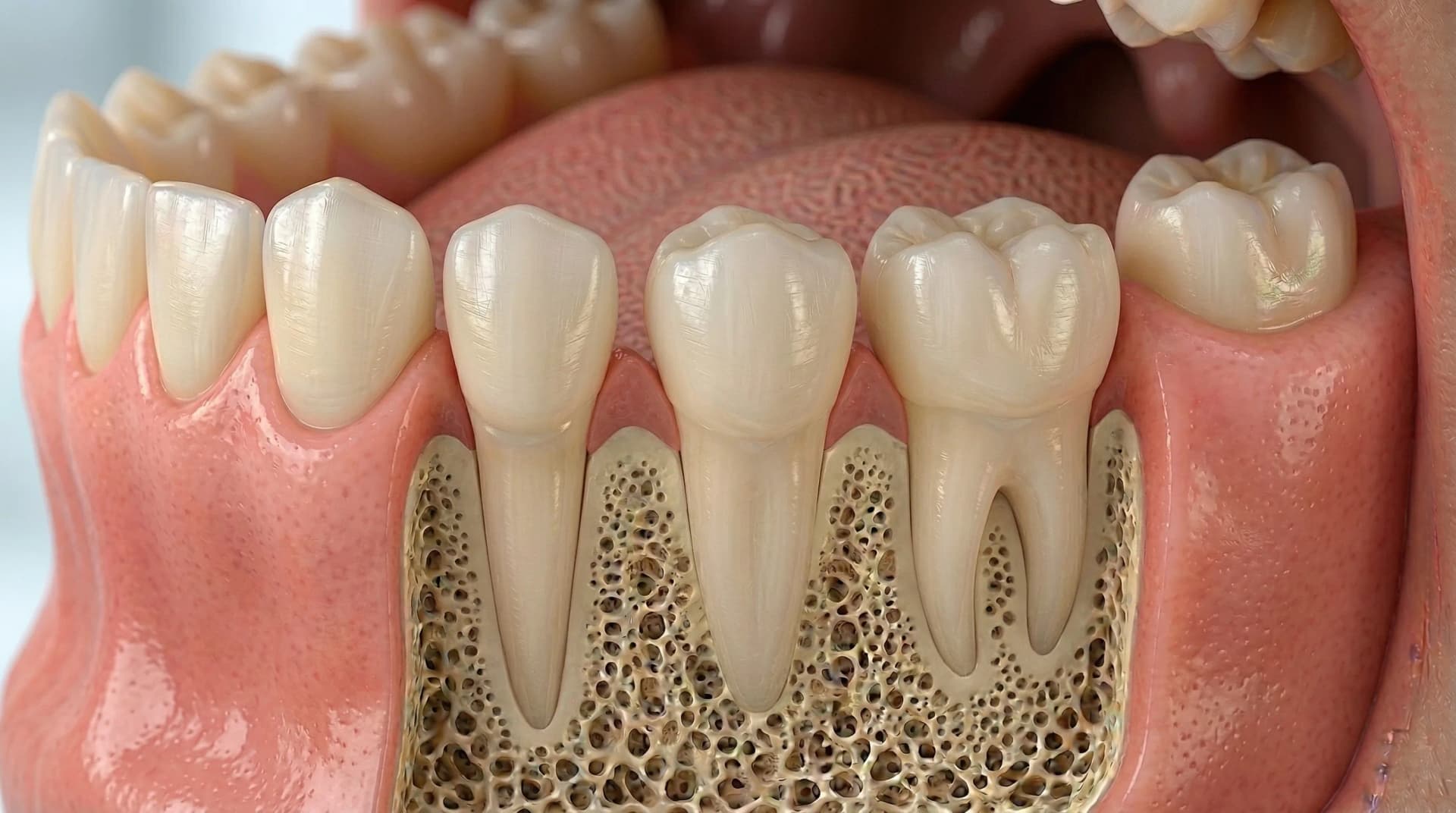 Routine Clean
Healthy
No inflammation, no bleeding, no pocket depth beyond normal. Maintained with regular dental check-ups and professional cleaning.
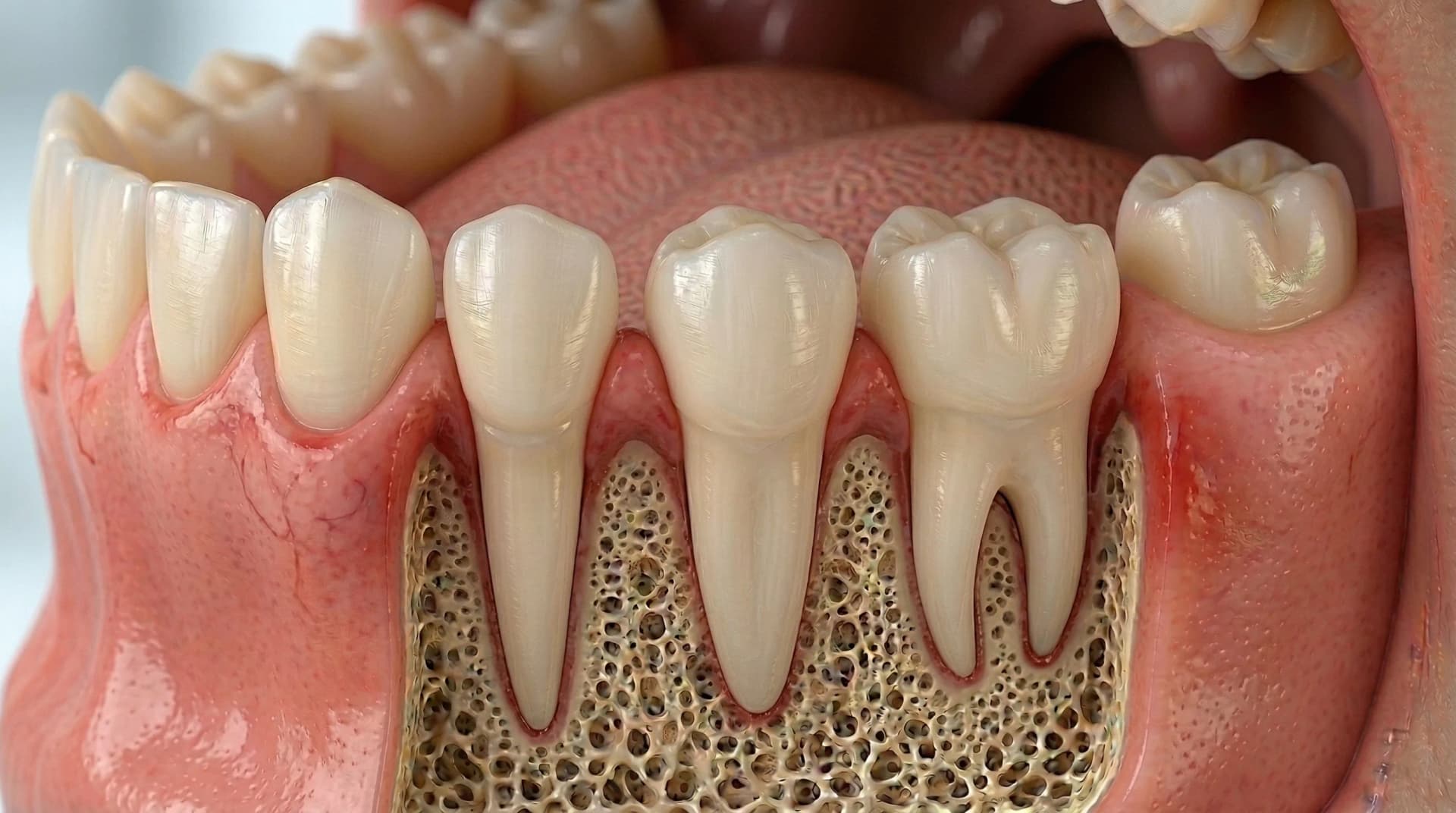 Routine Clean
Gingivitis
Reversible gum inflammation with redness and bleeding. No bone loss yet. Early intervention prevents progression.
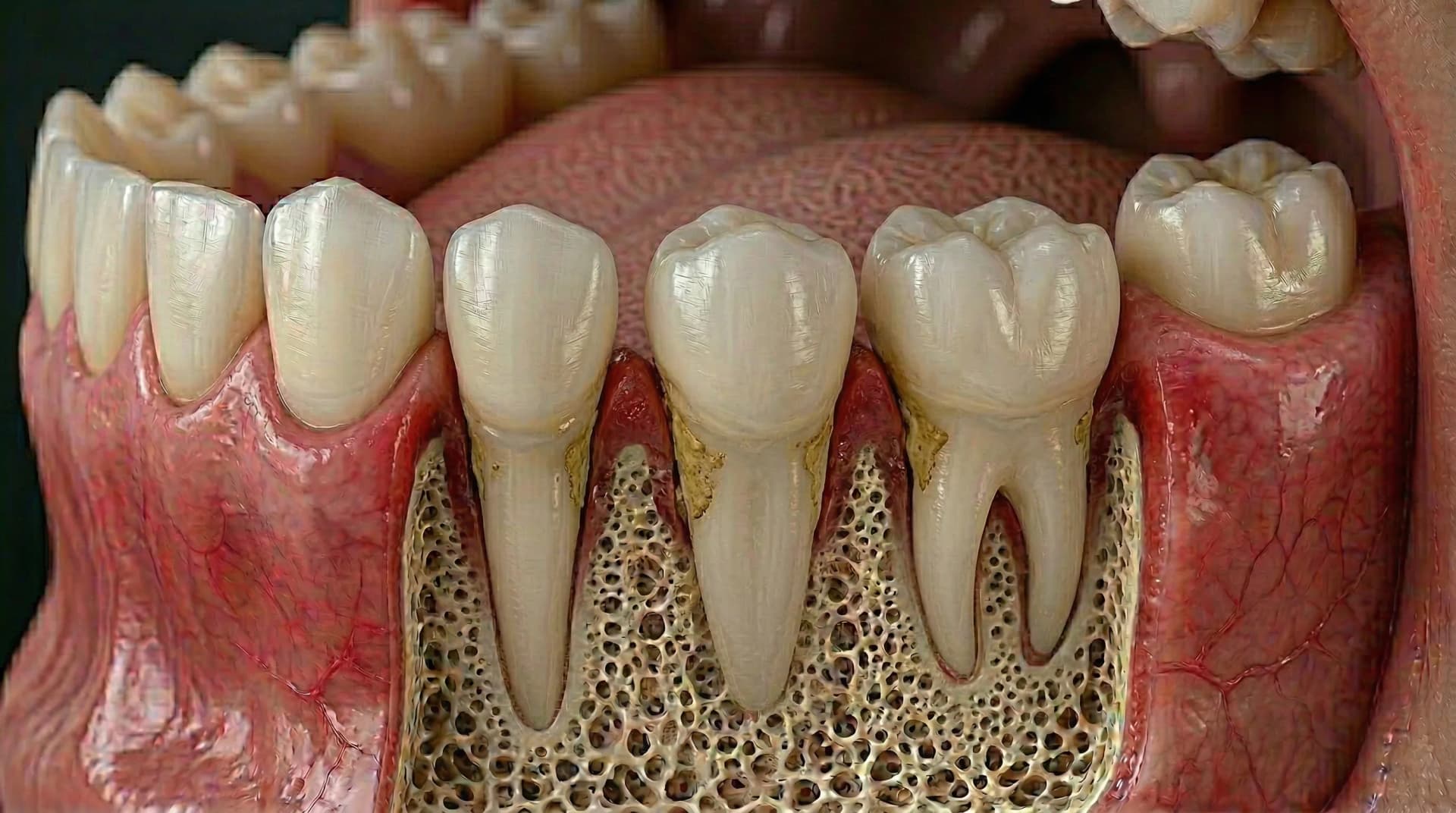 Deep Cleaning
Early Periodontitis
Mild bone loss begins. Pockets deepen beyond 4 mm. Deep cleaning is highly effective at halting progression.
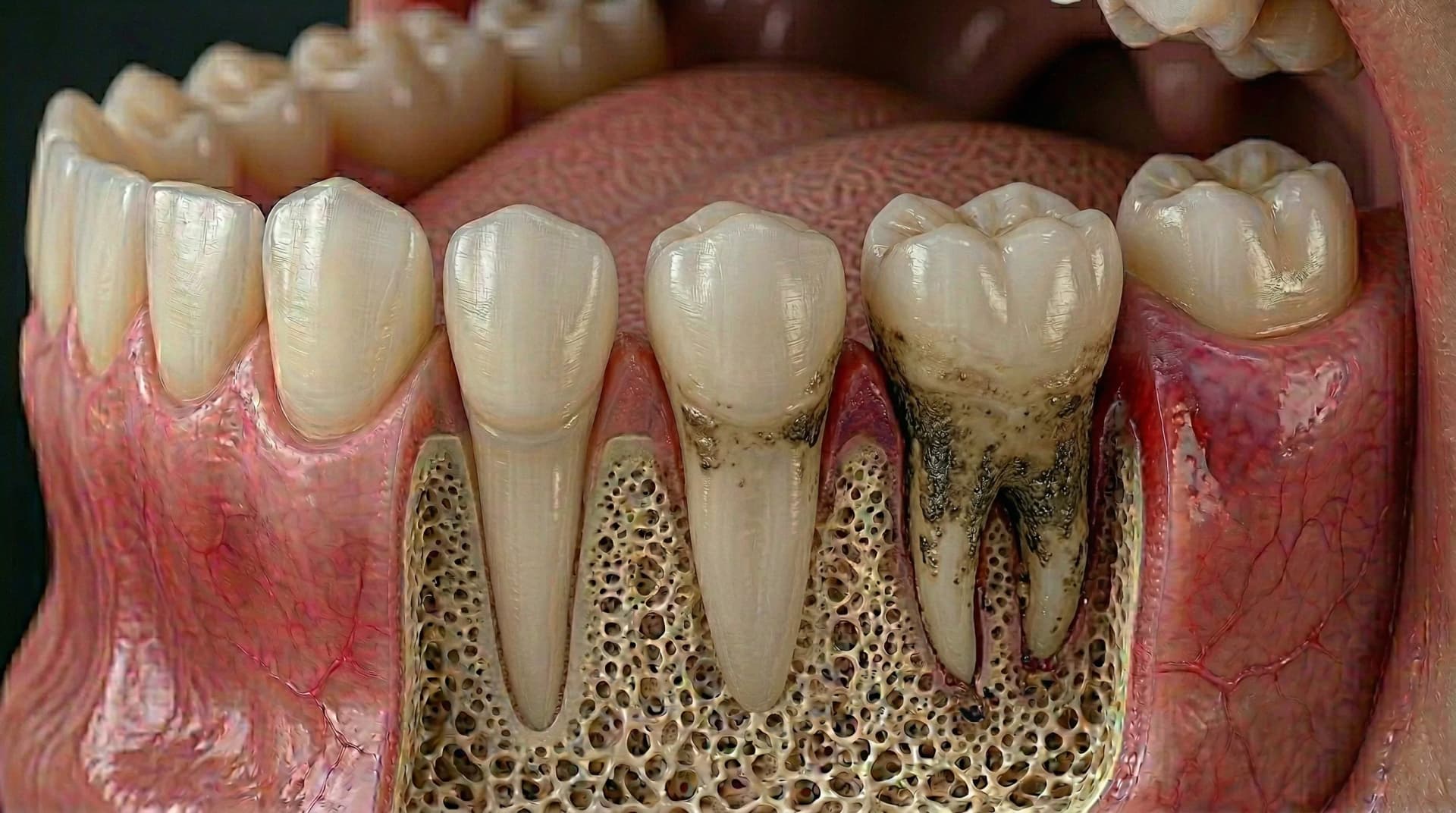 Deep Cleaning
Moderate Periodontitis
Deeper pockets, increased mobility risk, and visible bone loss. Non-surgical therapy remains the first-line approach.
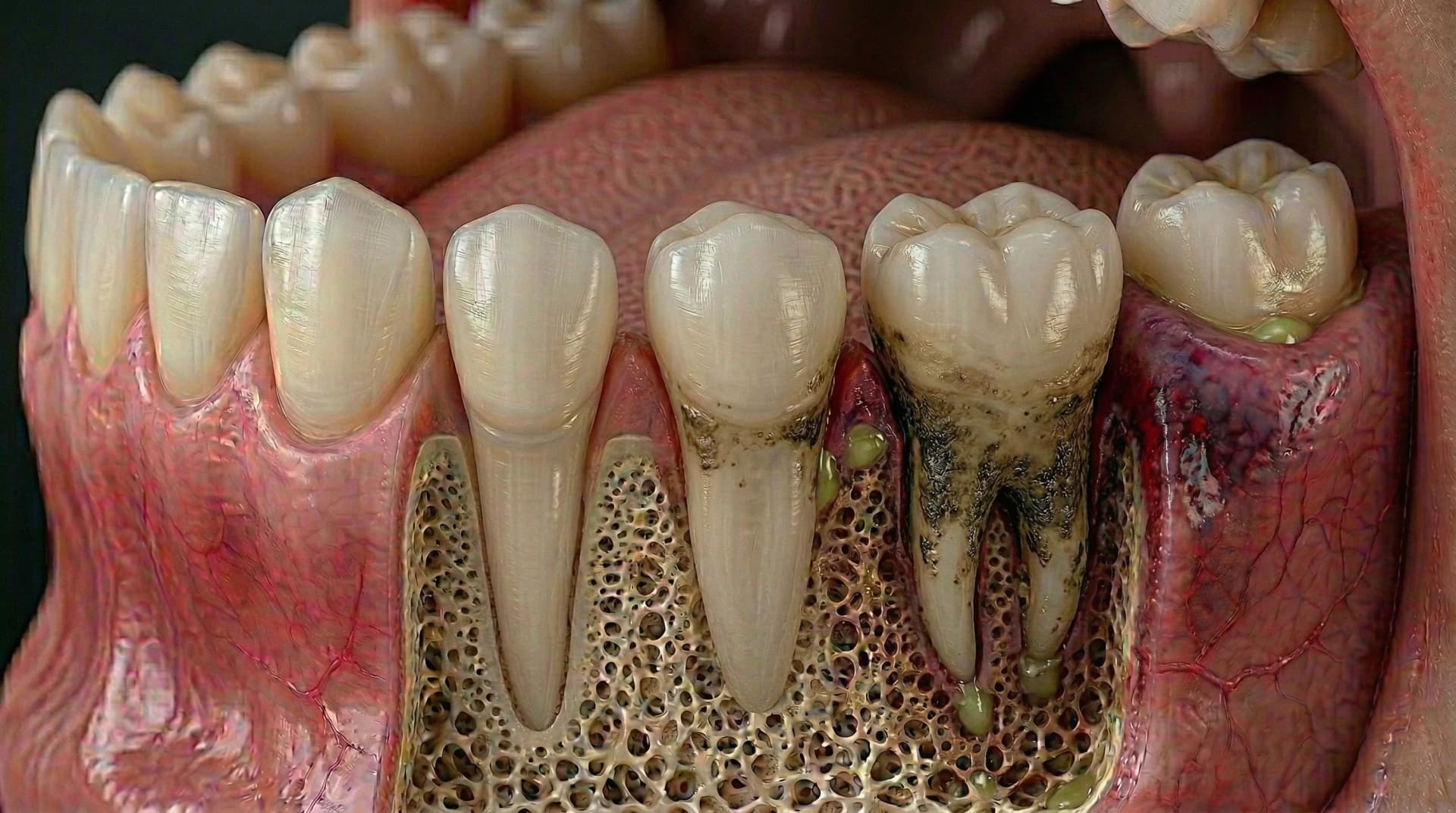 Surgery
Advanced Periodontitis
Extensive structural damage and potential tooth instability. Surgical intervention is typically required at this stage.
Stages 1 and 2 are managed with routine check-ups and professional cleaning. Stages 3 and 4 respond well to deep cleaning (scaling and root planing). Stage 5 typically requires periodontal surgery.
Your Role in
Lasting Oral Health
- More frequent recall appointments
- Targeted subgingival cleaning
- Monitoring pocket depth progression
- Reinforcement of home care techniques
Missed appointments significantly increase the risk of peri-implant disease and mechanical complications. Without ongoing care, gum disease can return.

Ready to Protect Your Smile?
Whether you’ve had gum treatment, implants, or cosmetic work, ongoing care is the key to making it last. Book a maintenance assessment and let’s keep your smile in great shape.
Ready to get started?
Prefer to call? (07) 5588 3677
Maintenance
Cost Guide
Fees depend on your risk category, time required, case complexity, the presence of implants or full-arch prostheses, and radiographic monitoring needs. Patients with complex rehabilitations may require extended visits.
- —Risk category
- —Time required
- —Complexity of case
- —Presence of implants or full-arch prostheses
- —Radiographic monitoring requirements
Final pricing confirmed after clinical assessment and treatment planning.
Book a Consultation
Preventive care membership with check-ups, cleans, and savings on treatments. Priority scheduling included.
Flexible Payment Options
We understand that dental treatment is a significant decision. Flexible finance solutions and staged planning options are available. For more information, please visit our dedicated Finance page. For eligible patients facing hardship, structured access may be available under our Blessing Program.
Related Articles
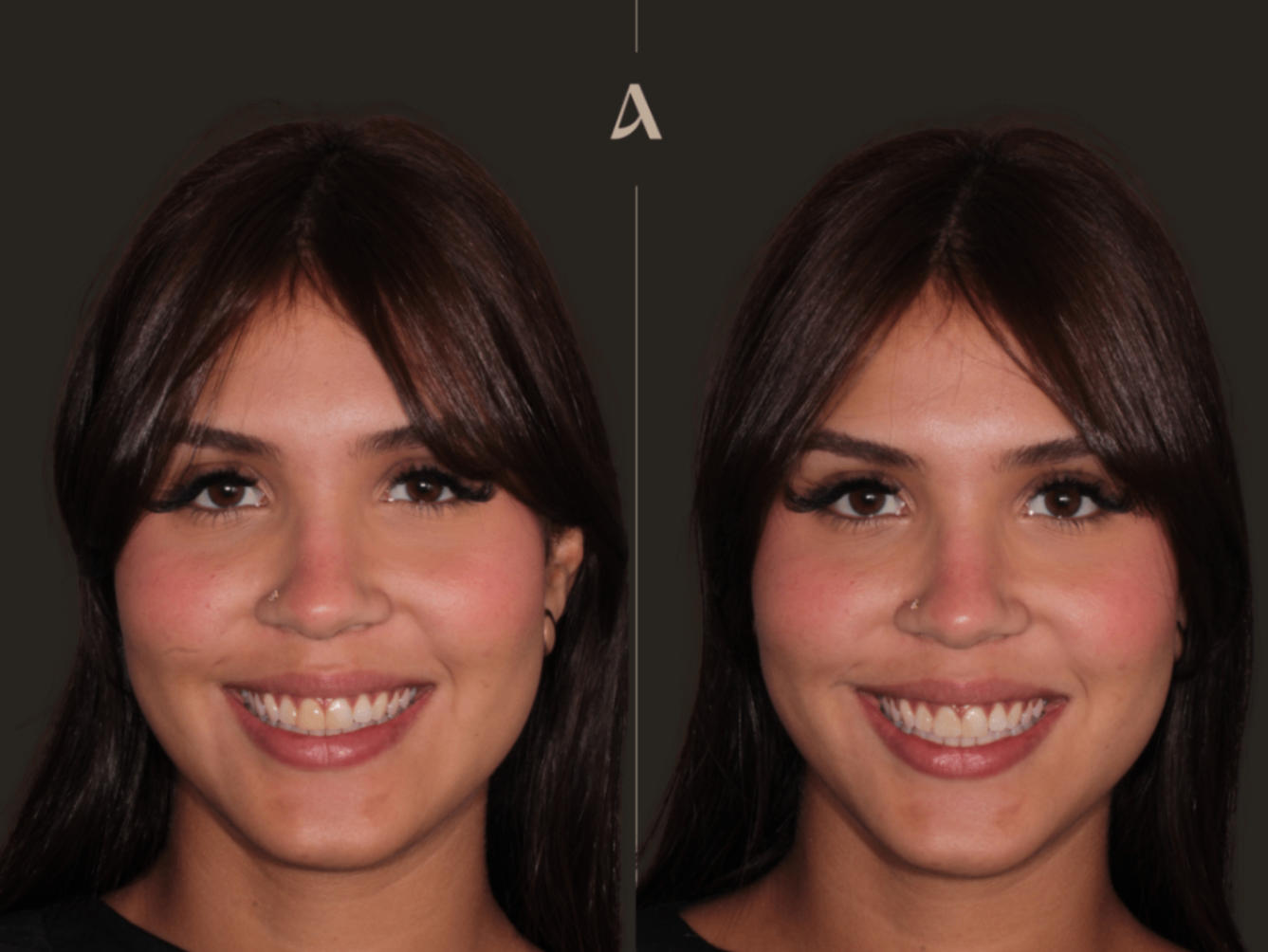
Clinical Case: A Same-Day CEREC Crown for a Front Tooth After Childhood Trauma
4 June 2026
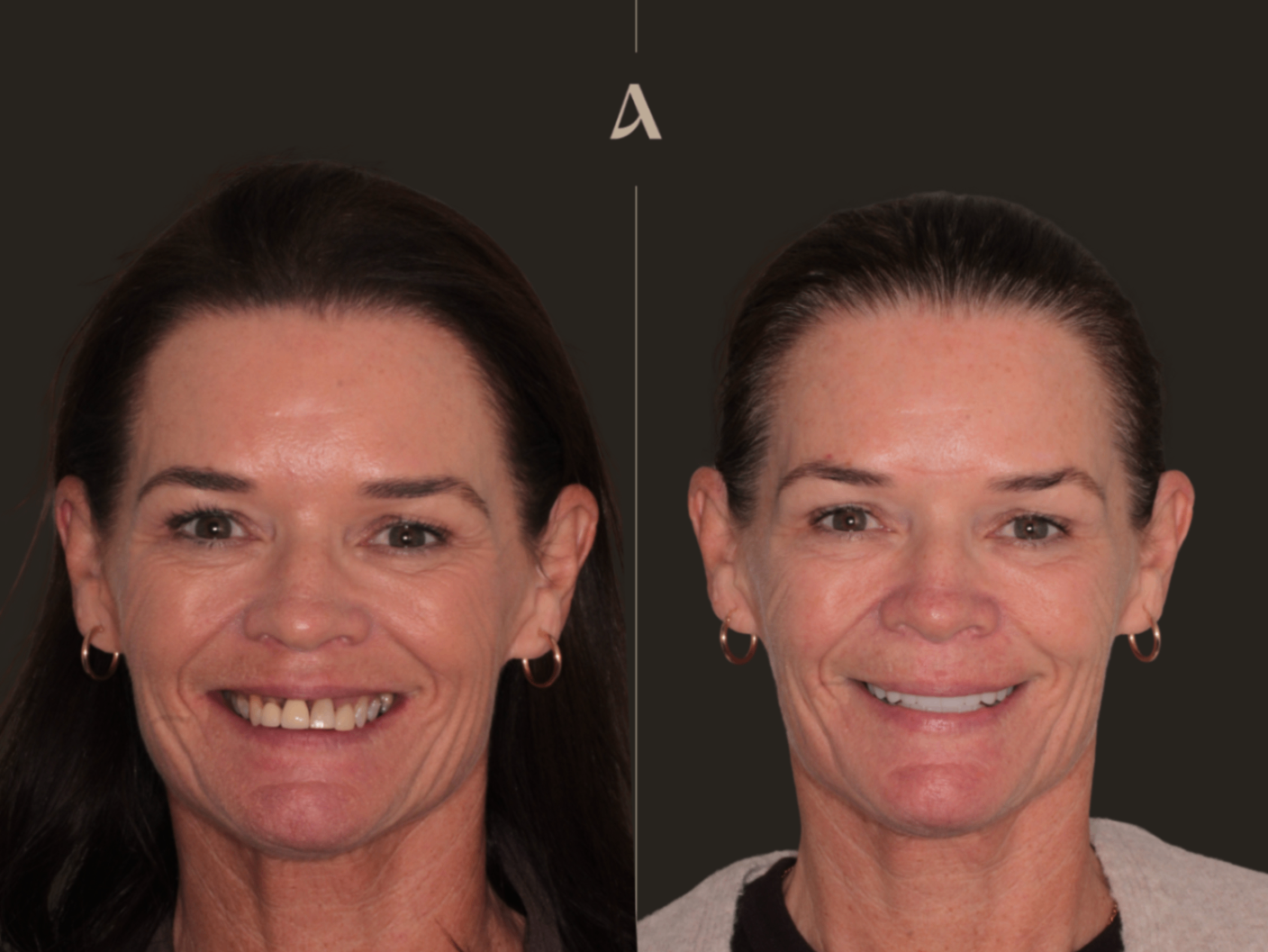
Clinical Case: Rebuilding an Upper Smile with Implants and Zirconia After Gum Disease
3 June 2026

Can Dental Fillings Cause Cancer?
Updated 29 May 2026

Is Oil Pulling Good for Oral Health?
Updated 29 May 2026
Frequently Asked
Questions
What is periodontal maintenance?
Periodontal maintenance is a personalised recall program for patients who have completed active gum disease treatment. It goes beyond a standard dental check-up to include detailed pocket charting, subgingival debridement, and risk reassessment at each visit.
How often should I have a periodontal check-up?
Most patients benefit from recall visits every 3 to 6 months. Your clinician will determine the ideal interval based on pocket depth, bleeding indices, implant presence, systemic health, and home care consistency.
Why do I need more frequent recalls after gum disease treatment?
Periodontitis is a chronic inflammatory condition driven by bacterial biofilm. Even after successful treatment, pathogenic bacteria can recolonise within weeks. Frequent professional care disrupts this cycle and allows early intervention before bone loss resumes.
Do dental implants require ongoing maintenance?
Yes. Implants require lifelong professional monitoring. Unlike natural teeth, implants lack a periodontal ligament, which means early signs of trouble can be harder to detect without clinical and radiographic assessment.
What are the signs that gum disease is returning?
Warning signs include bleeding gums when brushing or flossing, swollen or tender gum tissue, persistent bad breath, increasing pocket depth at recall visits, and any tooth mobility. Report these symptoms promptly to your dental team.
Does maintenance prevent implant failure?
Regular professional care significantly reduces the incidence of peri-implantitis, the leading biological cause of implant failure. Studies show that patients in a consistent recall program retain implants at substantially higher rates over 10 years.
Can my recall frequency change over time?
Yes. Recall intervals are not fixed. They are adjusted at each visit based on clinical stability, improvements in home care, changes in systemic health, or the emergence of new risk factors such as medication changes.
What is the difference between gingivitis and periodontitis?
Gingivitis is reversible inflammation limited to the gum tissue, typically presenting as bleeding gums during brushing. Periodontitis involves irreversible bone loss around the teeth. A thorough dental check-up with probing and radiographs is needed to distinguish between the two.
How much does periodontal maintenance cost on the Gold Coast?
Fees vary based on the complexity of your case, the number of sites requiring subgingival treatment, radiographic needs, and the time involved. A clinical assessment is required to provide an accurate estimate tailored to your situation.
Is periodontal maintenance the same as a regular dental cleaning?
No. A routine teeth cleaning focuses on removing surface plaque and calculus in patients with healthy gums. Supportive periodontal therapy includes targeted subgingival instrumentation, comprehensive pocket monitoring, and clinical assessment designed specifically for patients with a history of periodontitis.
What is supportive periodontal therapy (SPT)?
SPT is the clinical term for the ongoing care phase that follows active gum disease treatment. It is coded separately from routine dental cleaning in Australia (ADA item numbers 221/222) and reflects the additional clinical time, instrumentation, and monitoring involved.
What happens if I skip maintenance appointments?
Research consistently shows that patients who do not attend regular supportive care experience faster bone loss, deeper pockets, and higher rates of tooth and implant loss compared to those who maintain their recall schedule.
How is implant maintenance different from care for natural teeth?
Implant recall includes specific instrumentation designed not to scratch titanium surfaces, radiographic monitoring of bone integration, screw-access checks, and assessment for peri-implant mucositis or peri-implantitis. These steps are not part of a routine dental cleaning.
Is periodontal maintenance painful?
Most patients tolerate supportive care comfortably. Local anaesthetic can be used when deeper pockets require subgingival instrumentation. Sensitivity tends to decrease over time as gum health improves with consistent attendance.
How long does a maintenance appointment take?
Appointments typically range from 30 to 60 minutes depending on the number of teeth and implants, the depth of pockets, and whether radiographs are required at that visit.
Is supportive periodontal therapy lifelong?
For patients with a history of periodontitis or dental implants, ongoing professional care is generally recommended for life. The frequency may decrease as stability improves, but the need for monitoring does not go away.
Can I see my regular dentist for periodontal maintenance?
Many general dentists provide supportive periodontal therapy. In complex cases or when disease is not responding, your dentist may refer you to a specialist periodontist for co-management. At ArtSmiles, our team assesses each case individually and refers when appropriate.
Still have questions?
Our team is here to help. Book a consultation to discuss your options.
Our Other Periodontal
Services
This page has been clinically reviewed by Dr. Cristian Dunker, BDSc, MBA, Principal Dentist at ArtSmiles.