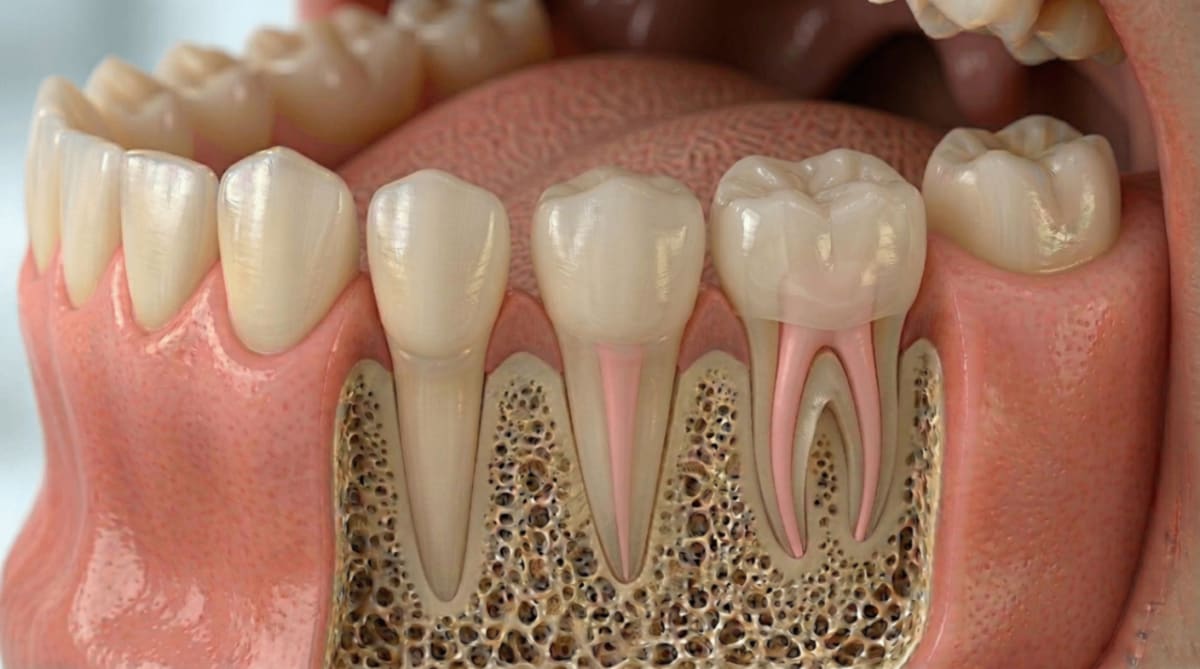
If your dentist has mentioned endodontic treatment or a root canal, it's natural to feel a bit nervous. But understanding what it involves and why it's done can help put your mind at ease. In most cases, root canal therapy is a straightforward procedure that relieves pain and saves your natural tooth from being extracted.
Let's walk through what endodontic treatment actually is, when it's needed, and what you can expect during and after the procedure.
What Does Endodontic Mean?
"Endodontic" comes from the Greek words "endo" (inside) and "odont" (tooth). Endodontic treatment is any procedure that involves the inside of the tooth, specifically the pulp chamber and root canals where the nerve and blood supply live.
The most common endodontic procedure is a root canal, which involves removing infected or damaged pulp tissue, cleaning and disinfecting the inside of the tooth, and sealing it to prevent further infection.
Why Might You Need a Root Canal?
The pulp inside your tooth can become inflamed or infected for several reasons:
Deep decay: When a cavity is left untreated, bacteria can eventually reach the pulp chamber
Cracked or chipped tooth: A crack in the tooth can expose the pulp to bacteria
Trauma: A blow to the tooth (even years ago) can cause the pulp to become inflamed or die over time
Repeated dental work: Multiple procedures on the same tooth can sometimes irritate the pulp
Without treatment, an infected tooth can lead to an abscess (a pocket of pus at the root tip), severe pain, swelling, and in some cases the infection can spread to surrounding tissues. Root canal therapy stops this process and saves the tooth.
Signs You Might Need Endodontic Treatment
Not all tooth problems require a root canal, but the following symptoms are worth paying attention to:
Persistent or throbbing toothache, especially at night
Sensitivity to hot or cold that lingers after the source is removed
Pain when biting or chewing
A darkening or discolouration of the tooth
Swelling or tenderness in the gums near a specific tooth
A small bump (fistula) on the gum near the affected tooth
Bad breath or an unpleasant taste that won't go away
If you're experiencing any of these, it's important to see your dentist sooner rather than later. Early treatment is always simpler and more comfortable.
What Happens During a Root Canal?
Modern root canal treatment is nothing like the reputation it used to have. With today's techniques and anaesthesia, most patients describe it as no more uncomfortable than having a filling placed.
Here's what the process looks like:
Assessment and X-rays: Your dentist takes digital X-rays to see the shape of the root canals and assess the extent of infection
Local anaesthesia: The tooth and surrounding area are numbed so you won't feel any pain during the procedure
Accessing the pulp: A small opening is made in the top of the tooth to reach the pulp chamber
Cleaning and shaping: The infected pulp tissue is carefully removed, and the canals are cleaned, shaped, and disinfected using specialised instruments
Sealing: The cleaned canals are filled with a biocompatible material (usually gutta-percha) and sealed to prevent reinfection
Restoration: The tooth is restored with a filling and, in most cases, a crown to protect and strengthen it for the long term
A study by Ng et al. (2008) published in the International Endodontic Journal found that root canal treatment has a success rate of 86% to 98% when performed with modern techniques and proper restoration. The key to long-term success is completing the treatment with a crown and maintaining good oral hygiene afterwards.
What to Expect After Treatment
After your root canal, it's normal to experience:
Mild soreness or tenderness as the anaesthesia wears off
Some sensitivity in the area for a few days to a week
Slight discomfort when biting, which usually settles quickly
Over-the-counter pain relief (like ibuprofen) is usually enough to manage any discomfort. Most people return to normal activities the same day.
How Long Does a Root Canal Last?
A well-performed root canal with a proper crown restoration can last a lifetime. The tooth may no longer have a living nerve inside it, but it remains fully functional for biting, chewing, and supporting your smile.
The most important factors for long-term success are:
Completing the restoration (crown) promptly after the root canal
Maintaining good brushing and flossing habits
Attending regular dental check-ups
Is It Better to Save the Tooth or Extract It?
Whenever possible, saving your natural tooth is the better option. Your natural teeth are designed to work together, and losing even one can affect your bite, chewing ability, and the alignment of surrounding teeth. Root canal therapy is usually less invasive and more cost-effective than extraction followed by an implant or bridge.
We're Here to Help
If you're in pain or your dentist has recommended a root canal, there's no need to worry. At ArtSmiles in Southport, we use modern techniques and gentle anaesthesia to make the process as comfortable as possible. We'll explain everything clearly before we begin, so you know exactly what to expect.
Book an appointment or call us on (07) 5588 3677. We'll take good care of you.