What Happens If You Pause Dental Treatment Midway

You started treatment with the best intentions.

Then life happened. Work, family, finances, something unexpected. Now months have passed and you’re wondering what’s happening with that unfinished root canal, the temporary crown, or the gum treatment that never quite finished.

This article explains what actually happens inside your mouth when treatment is paused. No judgement. No pressure. Just clarity.

Temporary Materials Don’t Last Long

Temporary fillings and crowns are designed to protect teeth short-term.

When treatment is paused:

  • Temporary fillings begin to leak
  • Bacteria slip underneath
  • Sensitivity increases
  • Decay continues
  • Cracks widen
  • Temporary crowns loosen or fall off

Studies show most temporary materials begin degrading within 6 to 12 weeks. After months, the tooth is often left largely unprotected.

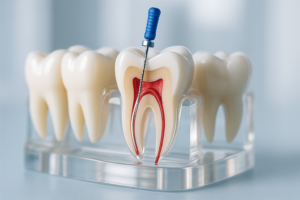
Incomplete Root Canal Treatment Risks Reinfection

If a root canal was started but not completed:

  • Bacteria can re-enter the canal
  • Inflammation returns
  • Pressure builds inside the tooth
  • Pain may suddenly come back

Even if the tooth felt better for a while, the infection usually wasn’t eliminated. Research confirms incomplete root canal treatment significantly increases the risk of reinfection and tooth loss.

Pausing Gum Treatment Allows Disease to Reactivate

Gum disease is chronic and progressive.

If deep cleaning or maintenance was interrupted:

  • Harmful bacteria recolonise quickly
  • Bone loss can resume
  • Gum pockets deepen
  • Recession increases
  • Teeth may become loose

Studies show periodontal bacteria can return to pretreatment levels within 9 to 12 weeks when therapy is paused.

Consistency matters more than speed.

Orthodontic Treatment Paused Means Teeth Drift Back

If orthodontic treatment was stopped without proper retention:

  • Teeth begin to move
  • Spaces reopen
  • Bite balance changes
  • Stress increases on gums and ligaments

Research shows measurable relapse can occur within 3 to 6 months without retainers.

Pausing Bite Adjustments Leaves the System Unbalanced

If treatment involved adjusting your bite or occlusion, stopping midway can cause:

  • Tooth soreness
  • Jaw tension
  • Headaches
  • Chipping or cracking
  • Accelerated wear

Your bite functions as a system. When it’s left unfinished, other teeth compensate in ways that often lead to discomfort.

If You Paused Mid-Treatment, Here’s the Good News

Pausing dental treatment is common. Life gets busy, priorities change, and symptoms often fade before treatment is finished.


But unfinished care tends to progress in predictable ways. Temporary materials weaken, bacteria return, teeth slowly shift, and unresolved problems begin to resurface.


At this stage, what matters most is not blame or urgency, but clarity:

  • Reassessing where things currently stand

  • Identifying what requires immediate attention

  • Stabilising teeth that are most vulnerable

  • Completing treatment at a manageable, realistic pace

At ArtSmiles, we often restart care in phases, focusing first on protecting the teeth at highest risk before planning the next steps forward.