The Real Impact of Ignoring Dental Problems:
A Clinical Guide

Many patients delay dentistry for understandable reasons: cost, timing, fear, or simply feeling “nothing hurts yet.”
But dental diseases progress silently, and once they reach a certain stage, they often become more complex, more expensive, and require more time to treat.

This article explains, in simple and scientific terms, what typically happens in the mouth when common dental issues are not treated early. The goal is not to alarm, but to provide clear information so you can make informed decisions about your oral health.

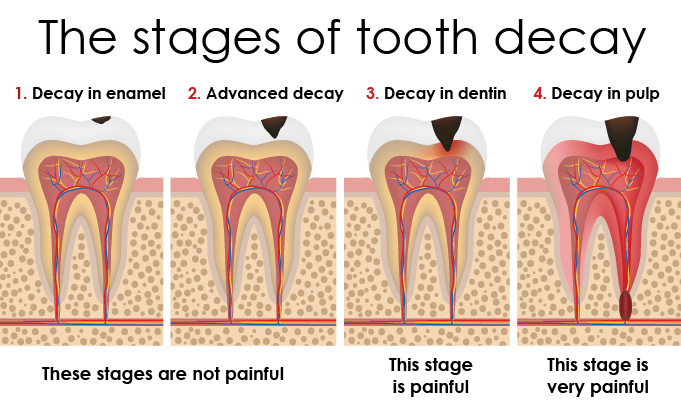
Tooth Decay: A Progressive Disease

1. Early Stage (Enamel Only)

Decay begins in the enamel, the outer mineral layer.
At this stage, it may be reversible through remineralising treatments and hygiene improvements.

Why it matters:
Once the cavity enters the dentine, reversal is no longer possible.

2. Middle Stage (Dentine Involvement)

When decay reaches dentine, the tooth becomes softer and bacteria spread more rapidly.

Consequences of not treating:

  • Larger fillings required
  • Higher risk of tooth fracture
  • Increased sensitivity
 
3. Deep Stage (Approaching the Nerve)
 
Left untreated, bacteria reach the pulp (nerve).
This leads to pulpitis (nerve inflammation), which can be reversible or irreversible.
 
Consequences:
  • Pain, swelling
  • Abscess formation
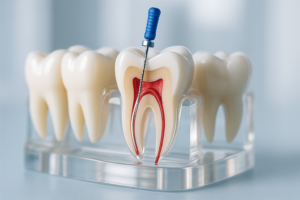
  • Need for root canal therapy or extraction
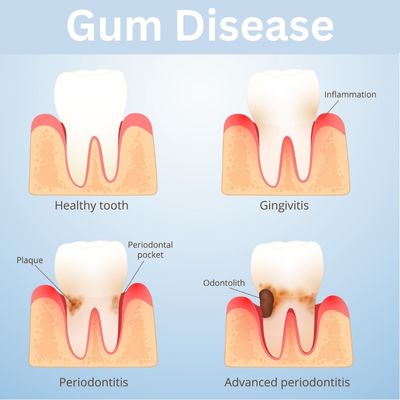
Gum Disease: Usually Painless Until Advanced

Gingivitis

Early gum inflammation is reversible with professional cleaning and home care.

Periodontitis (Bone Loss)

If plaque and calculus remain long enough, gums detach and bone begins to resorb.

If untreated:

  • Irreversible bone loss
  • Gum recession
  • Tooth mobility
  • Tooth loss
  • Increased systemic inflammation

Research has linked periodontitis to higher risks of cardiovascular disease, diabetes complications, and adverse pregnancy outcomes.

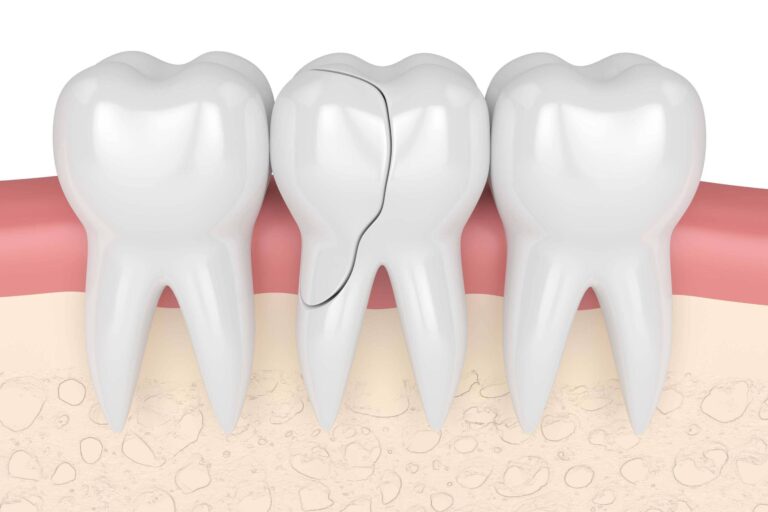
Cracked Teeth: Worsen With Time

Cracks often start small, from grinding, large old fillings, or trauma.
They frequently cause intermittent pain that patients ignore.

If untreated:

  • The crack deepens
  • The tooth splits
  • Extraction may be required
  • Restoring becomes more complex (e.g., crowns or full coverage)

Early detection saves the tooth in most cases.

Tooth Wear and Bite Changes

Erosion, abrasion, and grinding (bruxism) slowly wear teeth down.

If untreated:

  • Loss of enamel
  • Shortened teeth
  • Bite collapse
  • Jaw pain and headaches
  • Higher risk of fractures

Advanced cases often require full-mouth rehabilitation rather than simple restorations.

Conclusion

Delaying dental care is extremely common, and it does not mean you’ve done anything wrong.
However, dental conditions do not resolve on their own. The earlier they are diagnosed and treated, the more options you have, with less cost, less discomfort, and better long-term outcomes.

If it has been some time since your last visit, or if you postponed treatment, revisiting your oral health can make a significant difference in preventing future complications.