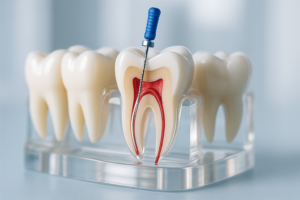
Inflammation in the Mouth and Body: Why Delaying Dental Care Affects More Than Your Smile

Some people delay dental care because nothing hurts.
Others because life gets busy, finances are tight, or priorities shift.

What many don’t realise is that untreated dental disease doesn’t stay confined to the mouth. Chronic oral inflammation influences the entire body, often quietly.

This article explains that connection in a simple, human way, grounded in real medical research.

The Mouth Is Not Separate From the Body

Your mouth is deeply connected to your immune system and bloodstream.

When gum disease develops:

  • Inflammation begins in the gums
  • Progresses into deeper tissues
  • Eventually affects the supporting bone

Throughout this process, your immune system remains constantly activated.

Periodontitis is recognised as a chronic inflammatory disease with systemic impact, not just a local dental issue.

How Oral Inflammation Spreads Beyond the Mouth

When bacteria build up in gum pockets, the body releases inflammatory mediators, including:

  • Interleukin-6 (IL-6)
  • Tumour necrosis factor alpha (TNF-α)
  • C-reactive protein (CRP)

These same markers are closely linked to:

  • Cardiovascular disease
  • Diabetes complications
  • Arthritis
  • Cognitive decline

Research shows patients with untreated gum disease often have elevated CRP levels, a well-established marker of cardiovascular risk.

The Link Between Gum Disease and Heart Health

Multiple studies show a strong association between periodontal disease and heart disease.

This connection is thought to occur because:

  • Oral bacteria enter the bloodstream
  • Chronic inflammation damages blood vessel walls
  • Immune responses accelerate plaque formation in arteries

The American Heart Association has acknowledged growing evidence linking poor oral health with increased cardiovascular risk.

Diabetes and Gum Disease Reinforce Each Other

Diabetes and gum disease create a two-way cycle.

  • Diabetes increases susceptibility to gum inflammation
  • Gum disease makes blood sugar harder to control

Clinical research shows that treating periodontal inflammation can lead to measurable improvements in glycaemic control.

Delaying dental care may quietly undermine diabetes management without obvious symptoms.

Chronic Oral Inflammation Strains the Immune System

When infection persists in the mouth, immune pathways stay activated long term.

This can contribute to:

  • Ongoing fatigue
  • Higher overall inflammatory load
  • Slower healing
  • Increased vulnerability to illness

For patients with autoimmune or inflammatory conditions, untreated gum disease adds unnecessary stress to the immune system.

How This Inflammation Can Affect Daily Life

Many people don’t associate these symptoms with oral health, but they often are.

Patients frequently report:

  • Waking up tired
  • Dull or frequent headaches
  • Persistent bad taste or breath
  • Sensitive or swollen gums
  • Difficulty chewing
  • Low-grade facial or gum swelling

These are not just dental concerns. They often reflect systemic inflammatory strain.

The Good News: Treating Oral Inflammation Helps the Whole Body

Research shows that managing gum disease supports much more than oral comfort. Reducing inflammation has been shown to:

  • Lower systemic inflammatory markers

  • Improve blood sugar control

  • Reduce oral discomfort

  • Support cardiovascular health

  • Improve overall wellbeing

Inflammation in the mouth does not stay in the mouth. When left untreated, it can quietly affect:

  • The heart and blood vessels

  • The immune system

  • Metabolic health over time

If dental care has been on hold, addressing inflammation is one of the most meaningful steps you can take for your overall wellbeing.

When you’re ready, the team at ArtSmiles Gold Coast is here to guide you back into care gently, clearly, and without pressure.