Across Australia and globally, one of the most common reasons patients delay dental treatment is cost.
This is not speculation, it is one of the most consistently documented findings in dental public health research.
The purpose of this article is to explain, using scientific data, why affordability programs like the Blessing Program were created, how they support patients facing financial barriers, and how delayed treatment affects long-term oral health outcomes.
This is an informational explanation only, without sales language, pressure, or calls to action.
Multiple large-scale studies across high-income countries show that cost is the number one barrier to dental care.
Key data:
These findings show clearly that financial barriers create cycles of worsening disease, more complex procedures, and ultimately higher costs over time.
Clinical evidence shows a consistent pattern. When treatment is delayed, the problem does not stay still, it evolves, and the cost evolves with it.
Research illustrates this clearly:
In other words, delaying care does not reduce expenses. It multiplies them. What feels like postponing a cost often becomes a much bigger one later.
The Blessing Program was developed to address a challenge widely documented in public health research. Many patients with advanced oral disease genuinely want treatment, but economic barriers prevent them from starting.
Here is the evidence behind creating an access pathway:
1. Full-arch implants transform lives
Long-term studies show 94 to 99 percent implant survival, 98 percent patient satisfaction, and measurable improvements in chewing, nutrition, confidence, and overall quality of life.
2. Delaying care reduces predictability
As bone loss, mobility, and infection progress, treatment becomes more complex and outcomes harder to guarantee.
3. A large group of patients need care but cannot access it
In Queensland, up to 34 percent of older adults require complex rehabilitation but cannot begin due to cost.
The Blessing Program was created for these patients. It provides access to major treatments at substantially reduced cost, helping them step out of the gap between need and affordability.
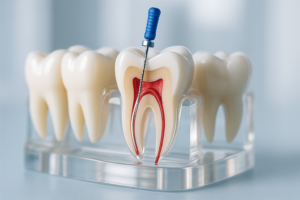
The Blessing Program gives eligible patients access to large scale dentistry at significantly reduced rates.
Treatments included:
This is possible because ArtSmiles has invested heavily in new in house technologies that reduce external laboratory costs and streamline every step of treatment. Watch the video to know more:
Affordability is one of the biggest barriers to oral health, and this is not a matter of opinion. It is one of the most consistent findings in public health research. Programs like the Blessing Program exist to reduce this gap, connecting clinical need with financial accessibility through the efficiencies created by modern digital dentistry.
The goal is simple: To make essential dental care more achievable for patients who genuinely need it, supported by science, fairness, and transparency.