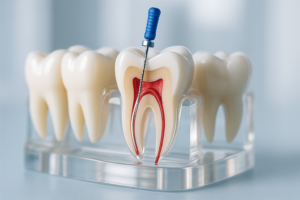
Many people delay dental care because pain fades, bleeding reduces, or a problem seems to settle.
The reality is simple: teeth and gums do not heal the way skin or muscles do. Once decay, bone loss, or structural damage starts, it usually continues quietly until treatment becomes more complex and costly.
This article explains why dental problems never resolve on their own and why early care makes all the difference.
Enamel is strong, but once it breaks down, it cannot regenerate.
When you wait:
Once the enamel surface is breached, cavities do not reverse.
Early gum inflammation can be reversible. Once bacteria move below the gumline, the disease becomes chronic.
Why it can feel like it’s improving:
Underneath, bone loss continues silently. Untreated gum disease remains the leading cause of adult tooth loss.
Tooth enamel behaves like glass.
Once a crack forms:
Early stabilisation can save the tooth. Waiting often leads to root canal treatment or extraction.
Grinding and clenching apply forces far greater than normal chewing.
Over time, this causes:
Without protection, damage accumulates quietly and permanently.
One rule holds true in dentistry: delay increases complexity.
Early treatment protects both the tooth and long-term cost.
Dental disease often fluctuates in symptoms:
Pain fading does not mean healing. It usually means the problem is progressing deeper.
Dental problems are predictable and manageable when caught early.
Simple steps:
Prevention is always easier than repair.
Dental problems do not fix themselves.
They progress quietly until teeth become infected, fractured, loose, or impossible to save. Early care is the safest, simplest, and most cost-effective approach.
If you’ve been waiting to book an appointment, the team at ArtSmiles Gold Coast is here to help protect your smile with modern, evidence-based care.